News / 2026 / X Festival
The 10th Golden Raven AIFF Concludes Its Anniversary Season with a Large-Scale International Programme
The 10th Golden Raven Arctic International Film Festival is concluding its anniversary season with a large-scale Russian and international programme. In 2025–2026, the festival confirmed its standing as one of Russia’s largest film festival projects in terms…
July 1, 2026
The 10th Golden Raven Arctic International Film Festival is concluding its anniversary season with a large-scale Russian and international programme. In 2025–2026, the festival confirmed its standing as one of Russia’s largest film festival projects in terms of geographical reach, number of regional venues, audience numbers and the development of international cooperation.
The main instrument of the festival’s expansion was the Golden Raven All-Russian Film Marathon, which ran from October 1, 2025. According to the reports of the participating venues, the Film Marathon comprised 4,343 screenings at 290 venues in 324 towns and villages across 68 regions of the Russian Federation. The total audience of the Russian part of the programme exceeded 123,000 viewers.
Compared with last year, 15 new regions joined the programme, including Volgograd, Voronezh, Omsk, Tomsk, Ulyanovsk and Chelyabinsk Oblasts, Zabaykalsky Krai, Nenets Autonomous Okrug, the Altai Republic, the Tyva Republic, Sakhalin Oblast and others.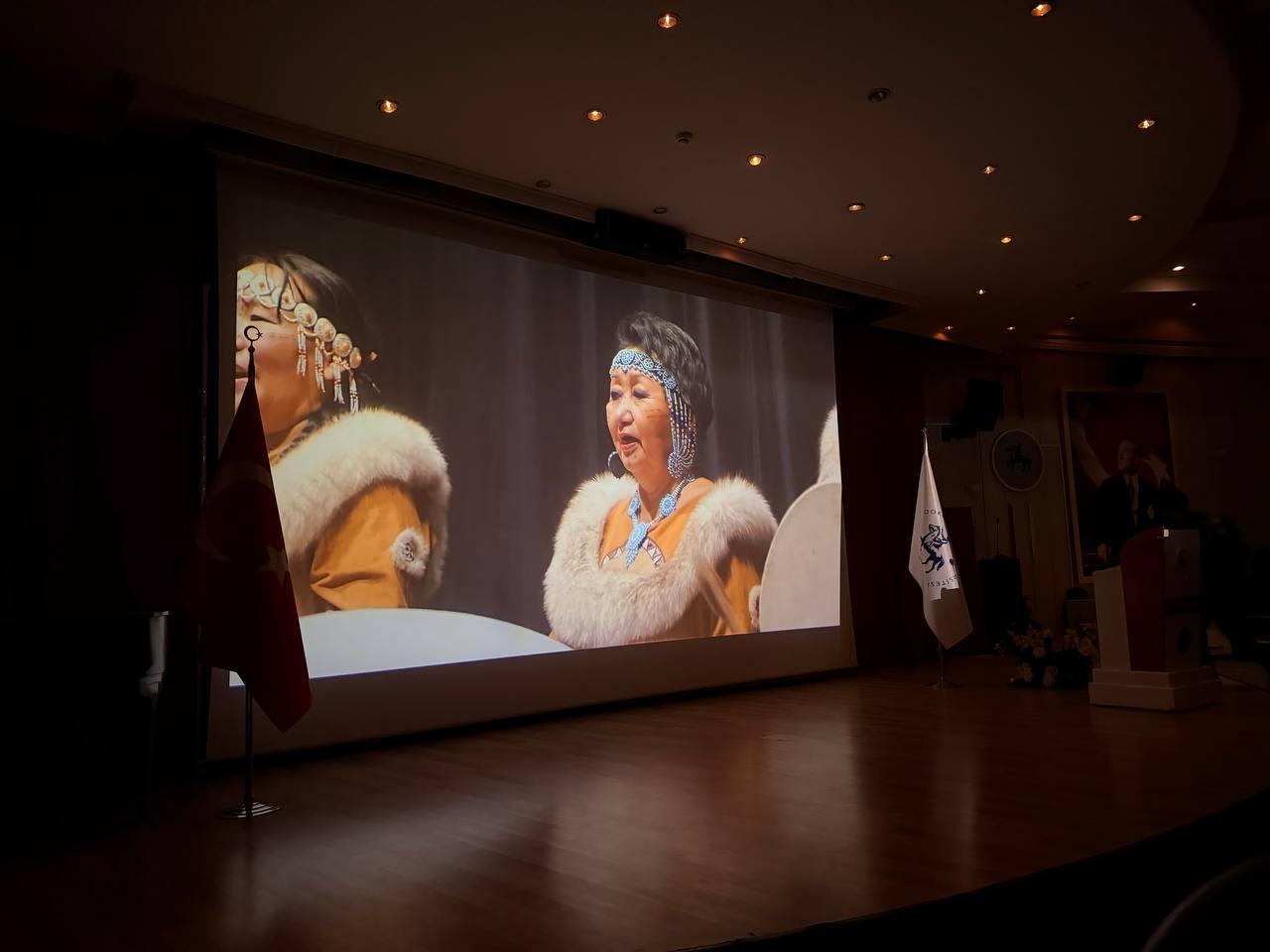 The festival attaches particular importance to its work in the Russian Far East and the Arctic zone. All 11 Far Eastern regions took part in the Film Marathon. In the Far East, 411 screenings were held in 34 towns and villages. In Chukotka Autonomous Okrug, screenings took place in the city of Anadyr and in other communities of the region: Bilibino, Lavrentiya, Omolon, Pevek, Provideniya and Egvekinot.
The partners of the All-Russian Film Marathon were regional, municipal and village cultural and educational institutions: cinemas, film and video centres, libraries, museum centres, houses of culture, schools, colleges and universities. Thanks to this, the festival’s films were shown not only in big cities but also in small communities where access to contemporary festival cinema is limited.
The Film Marathon programme brought together contemporary Russian animation, documentaries and fiction films, shorts and feature-length films, films from the Lenfilm studio, works by students and graduates of the St. Petersburg State Institute of Film and Television (SPbGIKiT) and VGIK, as well as projects made with the support of the Internet Development Institute, the Regional Cinema Support Fund and regional grant programmes. Separate programmes were devoted to the Arctic and the Russian Far East, the cultural heritage of the indigenous small-numbered peoples of Russia, the 500th anniversary of the beginning of the exploration of the Northern Sea Route, and Victory in the Great Patriotic War.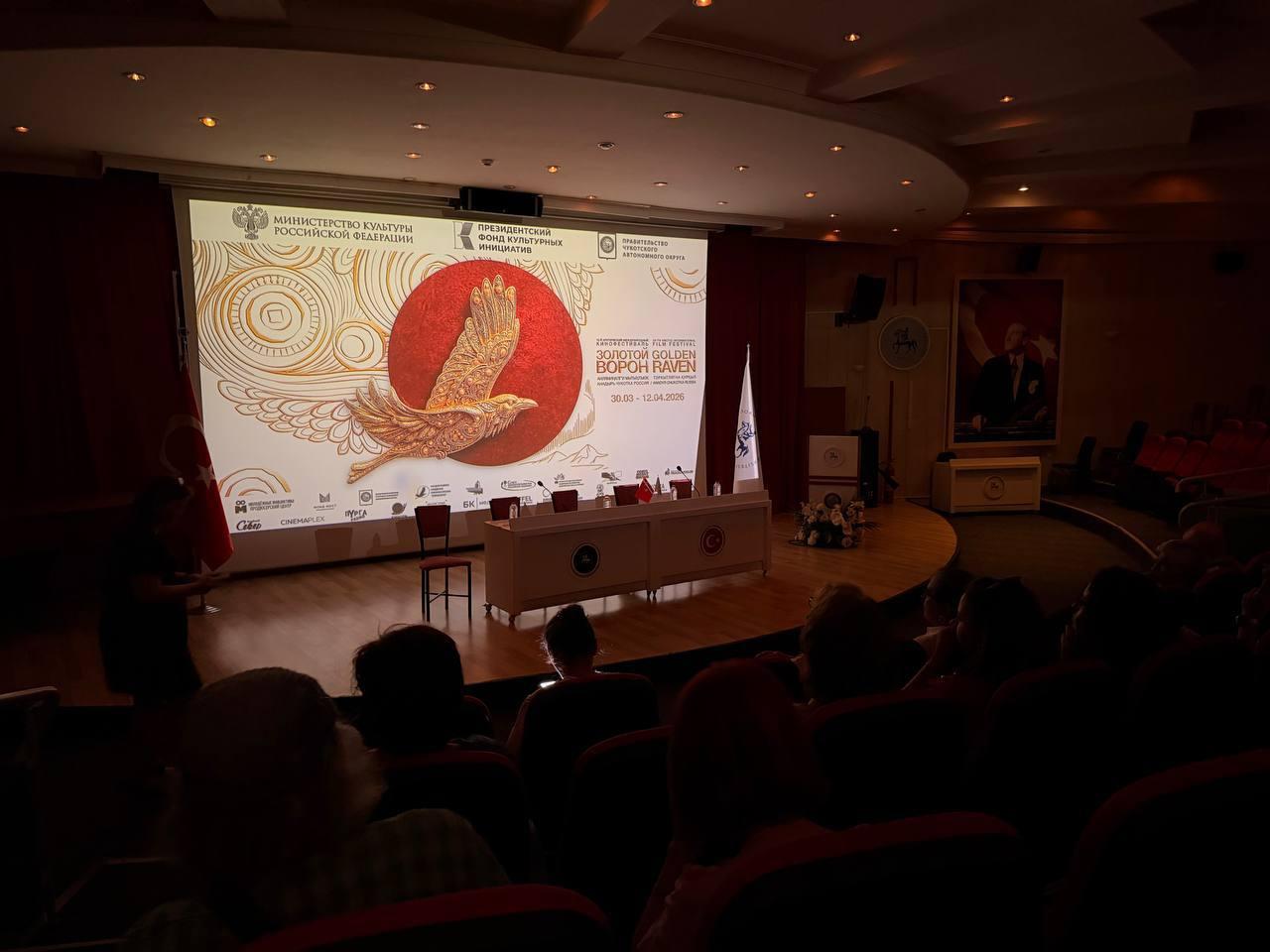 The anniversary season was an important stage in the development of the Golden Raven’s international track. For the first time, series of Film Marathon screenings were held in the Republic of Belarus, Kyrgyzstan, Kazakhstan, Argentina, Serbia and Türkiye. The partners of the international programme were cultural and educational institutions in different countries: the Minsk International Film Festival Listapad, the Department of Cinematography of the Ministry of Culture, Information, Sports and Youth Policy of the Kyrgyz Republic, the Union of Cinematographers of Kyrgyzstan, the Russian Houses in Astana, Buenos Aires and Ankara, the University of Belgrade and other venues.
 In Belarus, a film from the Golden Raven programme was presented at Listapad, one of the country’s leading international film festivals. In Kyrgyzstan, the screenings were held with the participation of state and professional film organisations. In Kazakhstan, the most active partner was the Russian House in Astana. In Argentina, Russian cinema was presented at the Russian House in Buenos Aires, and in Serbia at the University of Belgrade, for students of Russian studies. In Türkiye, some of the Film Marathon screenings took place at the Russian House in Ankara, with the participation of representatives of the Russian Embassy and the Turkish expert community.
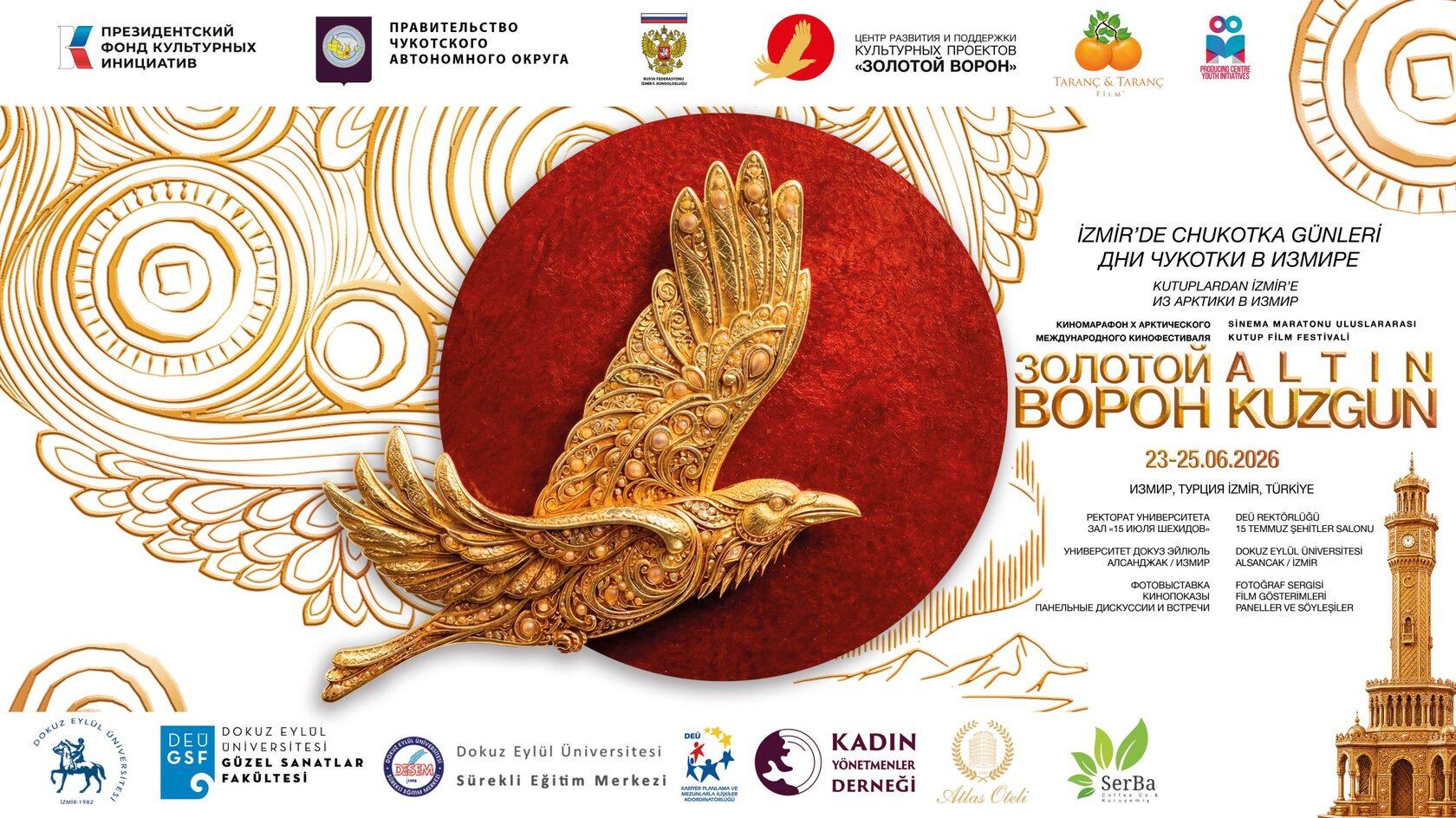
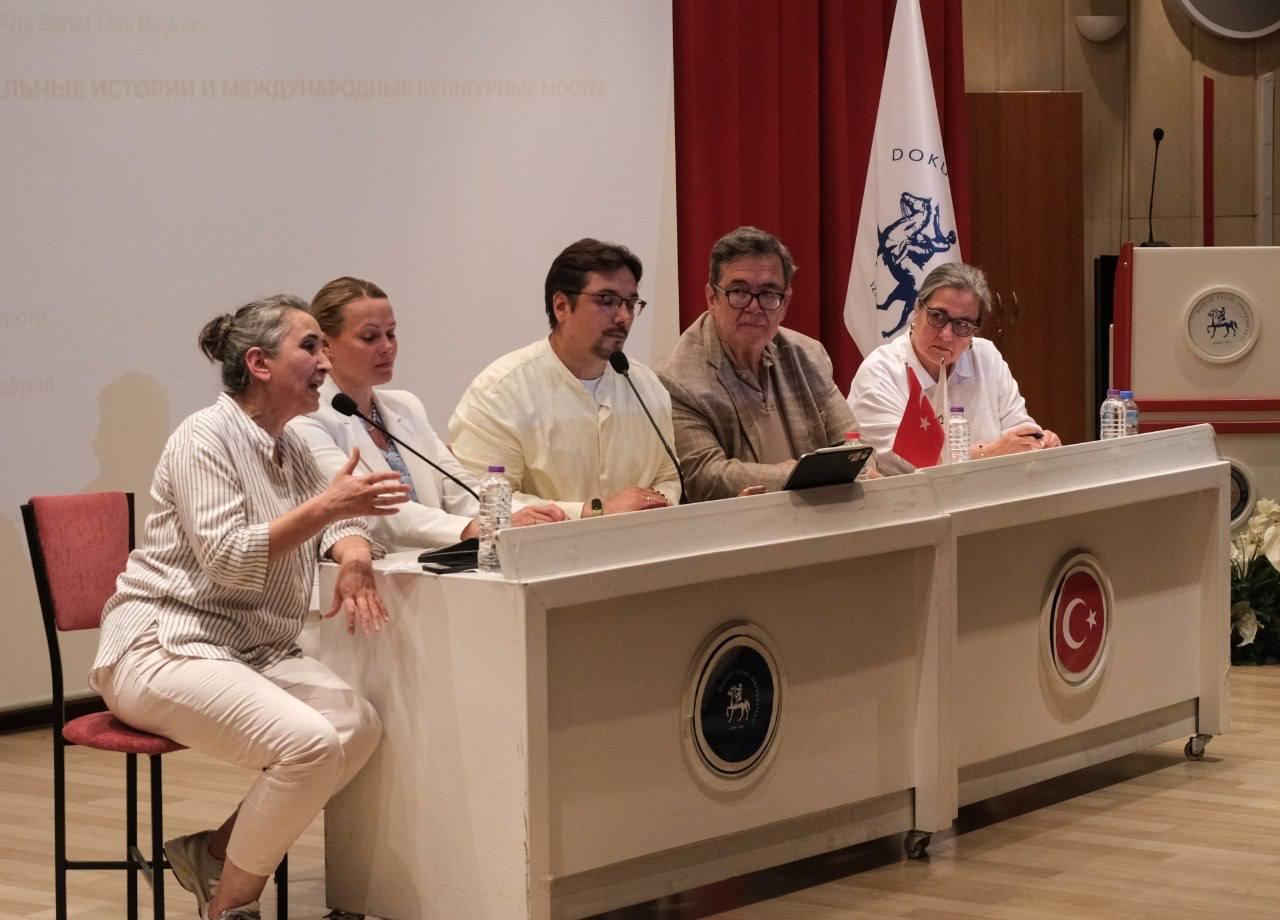
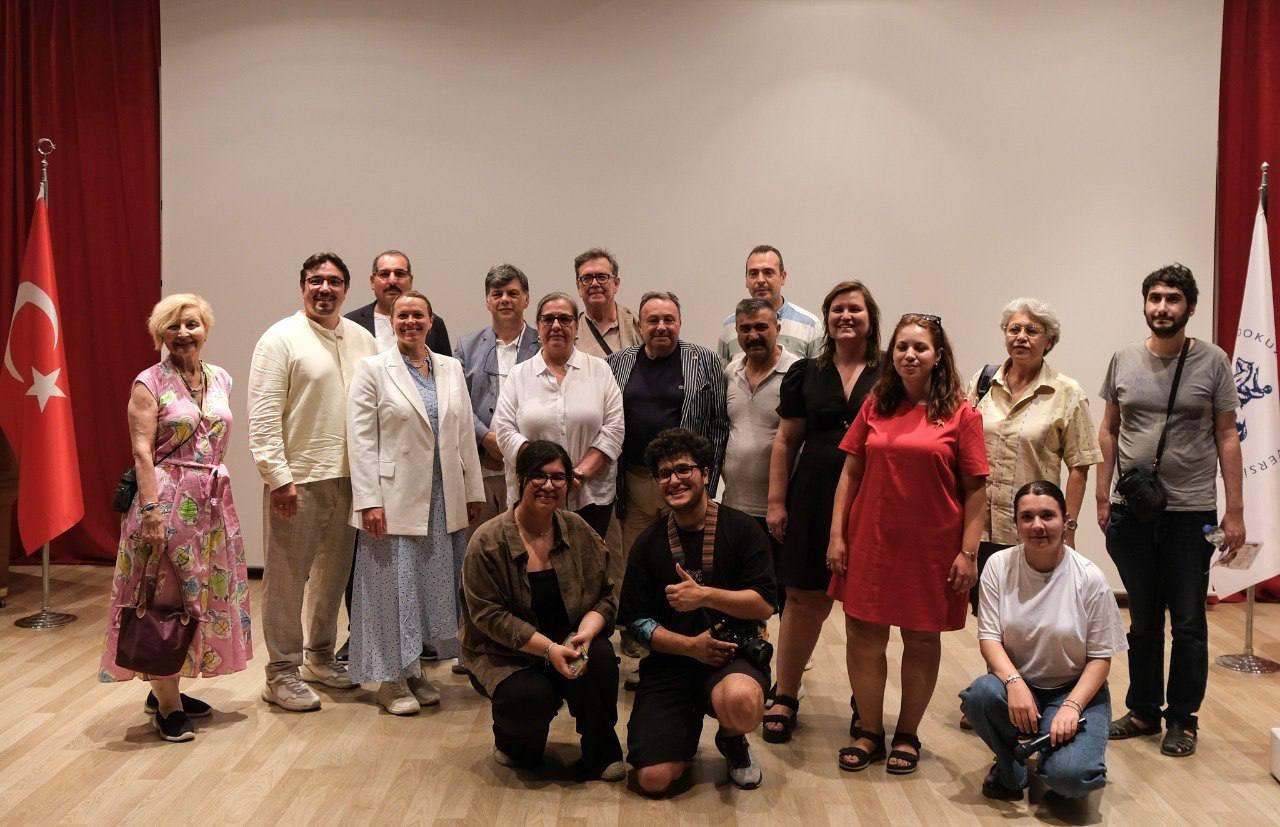
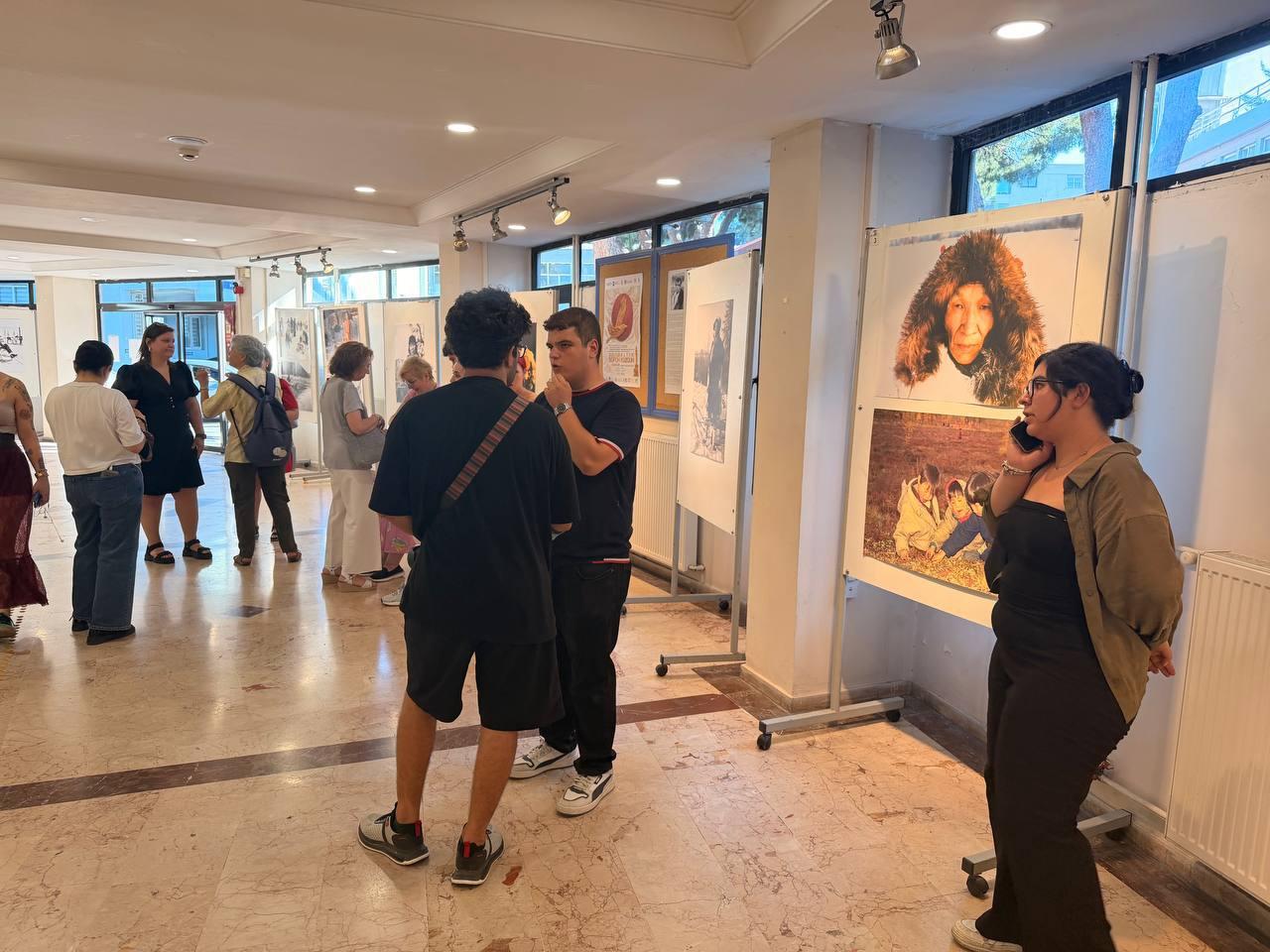
The final international stage of the anniversary season was the Days of Chukotka in Izmir, Türkiye, held on June 23–25 at the renowned Dokuz Eylül University. Izmir hosted films about Chukotka and the Arctic, the photo exhibition “Faces of Chukotka”, an animation programme from the Golden Raven’s Chukotka Film Lab, meet-the-artist sessions and panel discussions with Russian and Turkish filmmakers, producers, researchers and members of the academic community, as well as special events devoted to the development of cultural ties between Russia and Türkiye.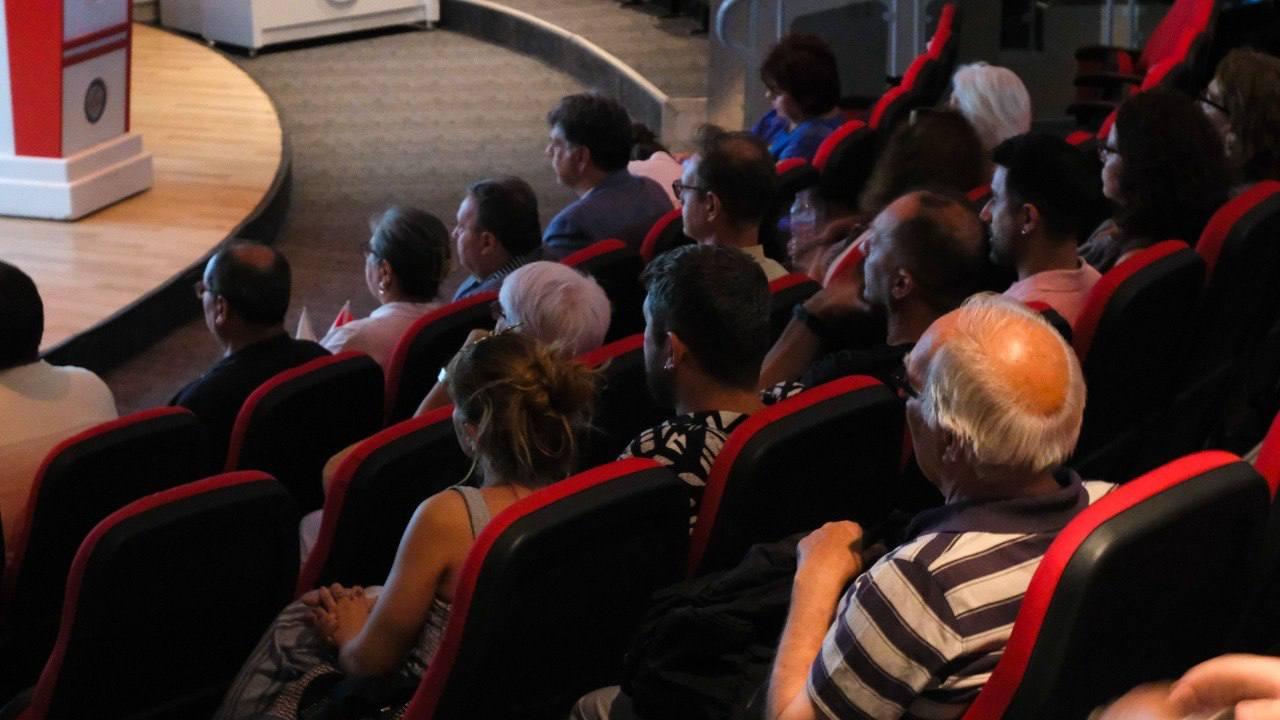 The Governor of Chukotka Autonomous Okrug, Vladislav Kuznetsov, sent a message of greeting to the participants and audiences of the Days of Chukotka in Izmir. The message stressed that presenting the cinema of Russia’s easternmost region on the ancient and hospitable land of Türkiye is an important step in the development of cultural dialogue. The film screenings, meetings and discussions at Dokuz Eylül University became a symbolic bridge between Chukotka and Izmir, between Russia and Türkiye, and between northern and Mediterranean cultures. The next stage of cooperation will be the Days of Turkish Cinema in Chukotka, to be held as part of the Golden Raven festival.
 According to Philipp Abryutin, director of the Golden Raven Arctic International Film Festival, the results of the anniversary season show that the festival has gone far beyond the bounds of a regional film showcase.
“The Golden Raven was born in Chukotka, but today it is a major cultural project that connects Anadyr, dozens of Russian regions and venues abroad. More than four thousand screenings, 68 regions of the Russian Federation, more than 123,000 viewers and international programmes in six countries – this is the result of many years of work. It matters to us that the Golden Raven’s films find their audience not only in Russia but beyond its borders too. Cinema is becoming the language in which Chukotka speaks to the world,” said Philipp Abryutin.
Festival producer Oksana Lakhno stressed that the Golden Raven’s international stage is of strategic as well as promotional importance.
“For us it is fundamentally important that the international programme was not limited to a formal screening of films. In every country a dialogue emerged – with the professional community, students, audiences and cultural institutions. In Izmir this dialogue was especially vivid: the Turkish audience saw Chukotka through films, photographs, animation, human contact and stories. Encounters like these create not one-off contacts but long-term cultural ties. That is why the Golden Raven today is not only a festival but also an instrument of international cooperation,” said Oksana Lakhno.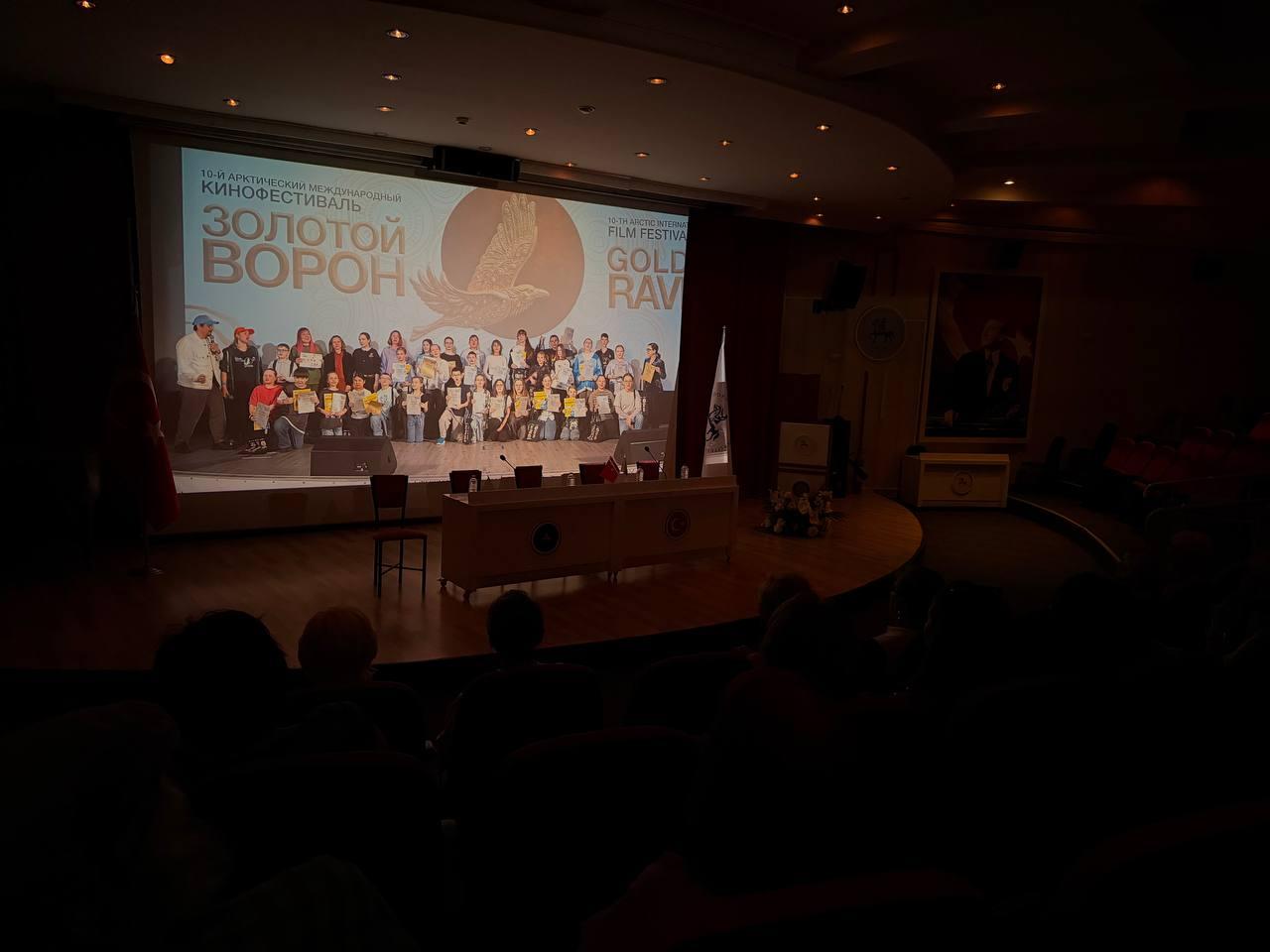 The experience of the Golden Raven’s anniversary season has shown that Russian cinema and films about the Arctic, the Russian Far East and indigenous peoples appeal to the most varied audiences abroad – from students of the University of Belgrade to visitors to the Russian Houses, from Turkish filmmakers to partners in Latin America. The Golden Raven AIFF not only presents Russian cinema to audiences but also creates a space for dialogue between regions, countries and cultures. The anniversary 10th festival confirmed that Chukotka can be not the periphery of the cultural map but one of the focal points of international cultural cooperation.
 The 10th Golden Raven Arctic International Film Festival is organised by the Golden Raven Center for the Development and Support of Cultural Projects and the Youth Initiatives Production Center, with the support of the Ministry of Culture of the Russian Federation, the Governor of Chukotka Autonomous Okrug Vladislav Garievich Kuznetsov, the Presidential Fund for Cultural Initiatives, the Government of Chukotka Autonomous Okrug, the Department of Culture and Tourism of Chukotka Autonomous Okrug, the Okrkinovideoprokat Autonomous Institution of Chukotka Autonomous Okrug (Polyarny Cinema) and the Union of Cinematographers of Russia. The events in Türkiye were held with the support of the Women Directors Festival in Izmir, Dokuz Eylül University and the Consulate of the Russian Federation in Izmir.
The 10th Golden Raven Arctic International Film Festival is concluding its anniversary season with a large-scale Russian and international programme. In 2025–2026, the festival confirmed its standing as one of Russia’s largest film festival projects in terms of geographical reach, number of regional venues, audience numbers and the development of international cooperation.
The main instrument of the festival’s expansion was the Golden Raven All-Russian Film Marathon, which ran from October 1, 2025. According to the reports of the participating venues, the Film Marathon comprised 4,343 screenings at 290 venues in 324 towns and villages across 68 regions of the Russian Federation. The total audience of the Russian part of the programme exceeded 123,000 viewers.
Compared with last year, 15 new regions joined the programme, including Volgograd, Voronezh, Omsk, Tomsk, Ulyanovsk and Chelyabinsk Oblasts, Zabaykalsky Krai, Nenets Autonomous Okrug, the Altai Republic, the Tyva Republic, Sakhalin Oblast and others.
The festival attaches particular importance to its work in the Russian Far East and the Arctic zone. All 11 Far Eastern regions took part in the Film Marathon. In the Far East, 411 screenings were held in 34 towns and villages. In Chukotka Autonomous Okrug, screenings took place in the city of Anadyr and in other communities of the region: Bilibino, Lavrentiya, Omolon, Pevek, Provideniya and Egvekinot.The partners of the All-Russian Film Marathon were regional, municipal and village cultural and educational institutions: cinemas, film and video centres, libraries, museum centres, houses of culture, schools, colleges and universities. Thanks to this, the festival’s films were shown not only in big cities but also in small communities where access to contemporary festival cinema is limited.
The Film Marathon programme brought together contemporary Russian animation, documentaries and fiction films, shorts and feature-length films, films from the Lenfilm studio, works by students and graduates of the St. Petersburg State Institute of Film and Television (SPbGIKiT) and VGIK, as well as projects made with the support of the Internet Development Institute, the Regional Cinema Support Fund and regional grant programmes. Separate programmes were devoted to the Arctic and the Russian Far East, the cultural heritage of the indigenous small-numbered peoples of Russia, the 500th anniversary of the beginning of the exploration of the Northern Sea Route, and Victory in the Great Patriotic War.
The anniversary season was an important stage in the development of the Golden Raven’s international track. For the first time, series of Film Marathon screenings were held in the Republic of Belarus, Kyrgyzstan, Kazakhstan, Argentina, Serbia and Türkiye. The partners of the international programme were cultural and educational institutions in different countries: the Minsk International Film Festival Listapad, the Department of Cinematography of the Ministry of Culture, Information, Sports and Youth Policy of the Kyrgyz Republic, the Union of Cinematographers of Kyrgyzstan, the Russian Houses in Astana, Buenos Aires and Ankara, the University of Belgrade and other venues.In Belarus, a film from the Golden Raven programme was presented at Listapad, one of the country’s leading international film festivals. In Kyrgyzstan, the screenings were held with the participation of state and professional film organisations. In Kazakhstan, the most active partner was the Russian House in Astana. In Argentina, Russian cinema was presented at the Russian House in Buenos Aires, and in Serbia at the University of Belgrade, for students of Russian studies. In Türkiye, some of the Film Marathon screenings took place at the Russian House in Ankara, with the participation of representatives of the Russian Embassy and the Turkish expert community.The final international stage of the anniversary season was the Days of Chukotka in Izmir, Türkiye, held on June 23–25 at the renowned Dokuz Eylül University. Izmir hosted films about Chukotka and the Arctic, the photo exhibition “Faces of Chukotka”, an animation programme from the Golden Raven’s Chukotka Film Lab, meet-the-artist sessions and panel discussions with Russian and Turkish filmmakers, producers, researchers and members of the academic community, as well as special events devoted to the development of cultural ties between Russia and Türkiye.
The Governor of Chukotka Autonomous Okrug, Vladislav Kuznetsov, sent a message of greeting to the participants and audiences of the Days of Chukotka in Izmir. The message stressed that presenting the cinema of Russia’s easternmost region on the ancient and hospitable land of Türkiye is an important step in the development of cultural dialogue. The film screenings, meetings and discussions at Dokuz Eylül University became a symbolic bridge between Chukotka and Izmir, between Russia and Türkiye, and between northern and Mediterranean cultures. The next stage of cooperation will be the Days of Turkish Cinema in Chukotka, to be held as part of the Golden Raven festival.According to Philipp Abryutin, director of the Golden Raven Arctic International Film Festival, the results of the anniversary season show that the festival has gone far beyond the bounds of a regional film showcase.“The Golden Raven was born in Chukotka, but today it is a major cultural project that connects Anadyr, dozens of Russian regions and venues abroad. More than four thousand screenings, 68 regions of the Russian Federation, more than 123,000 viewers and international programmes in six countries – this is the result of many years of work. It matters to us that the Golden Raven’s films find their audience not only in Russia but beyond its borders too. Cinema is becoming the language in which Chukotka speaks to the world,” said Philipp Abryutin.
Festival producer Oksana Lakhno stressed that the Golden Raven’s international stage is of strategic as well as promotional importance.
“For us it is fundamentally important that the international programme was not limited to a formal screening of films. In every country a dialogue emerged – with the professional community, students, audiences and cultural institutions. In Izmir this dialogue was especially vivid: the Turkish audience saw Chukotka through films, photographs, animation, human contact and stories. Encounters like these create not one-off contacts but long-term cultural ties. That is why the Golden Raven today is not only a festival but also an instrument of international cooperation,” said Oksana Lakhno.
The experience of the Golden Raven’s anniversary season has shown that Russian cinema and films about the Arctic, the Russian Far East and indigenous peoples appeal to the most varied audiences abroad – from students of the University of Belgrade to visitors to the Russian Houses, from Turkish filmmakers to partners in Latin America. The Golden Raven AIFF not only presents Russian cinema to audiences but also creates a space for dialogue between regions, countries and cultures. The anniversary 10th festival confirmed that Chukotka can be not the periphery of the cultural map but one of the focal points of international cultural cooperation.The 10th Golden Raven Arctic International Film Festival is organised by the Golden Raven Center for the Development and Support of Cultural Projects and the Youth Initiatives Production Center, with the support of the Ministry of Culture of the Russian Federation, the Governor of Chukotka Autonomous Okrug Vladislav Garievich Kuznetsov, the Presidential Fund for Cultural Initiatives, the Government of Chukotka Autonomous Okrug, the Department of Culture and Tourism of Chukotka Autonomous Okrug, the Okrkinovideoprokat Autonomous Institution of Chukotka Autonomous Okrug (Polyarny Cinema) and the Union of Cinematographers of Russia. The events in Türkiye were held with the support of the Women Directors Festival in Izmir, Dokuz Eylül University and the Consulate of the Russian Federation in Izmir.