Festival / 2026 / X Festival
Industry Programme
March 31, 2026 (Tuesday)
Polyarny Cinema
(15 Otke St., Anadyr)
10:30-11:30
Industry Programme (12+)
International Film Lab
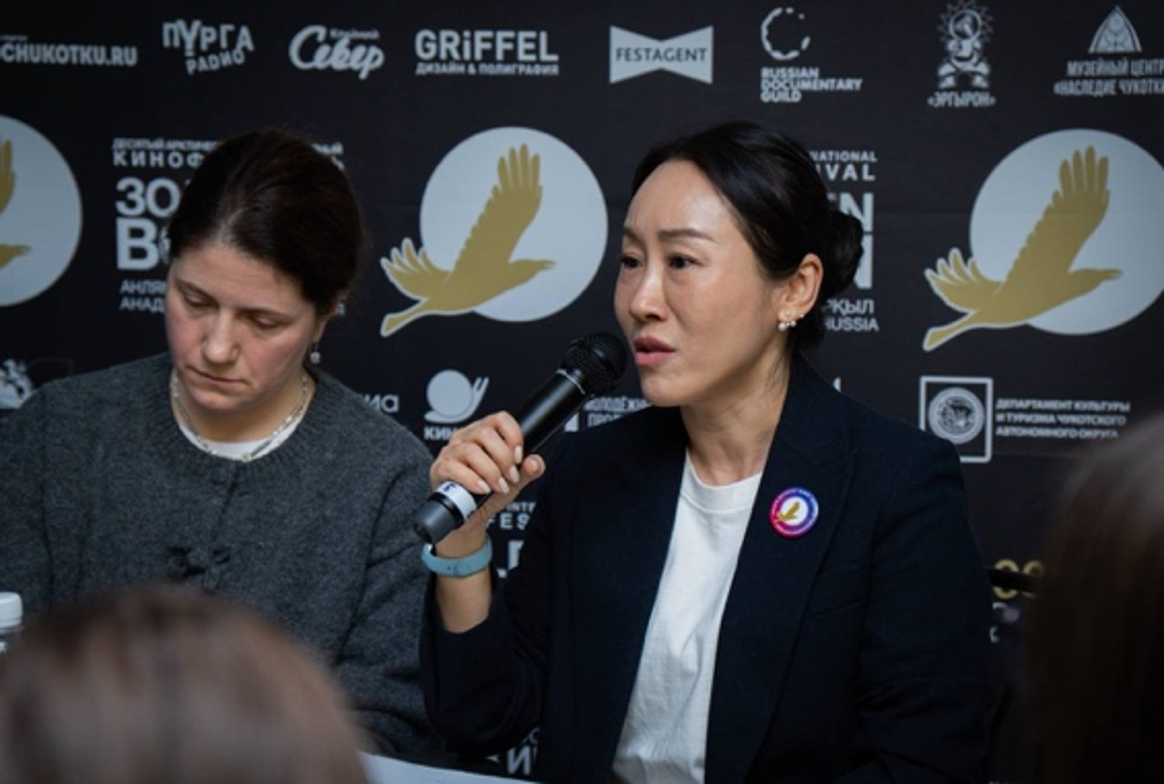
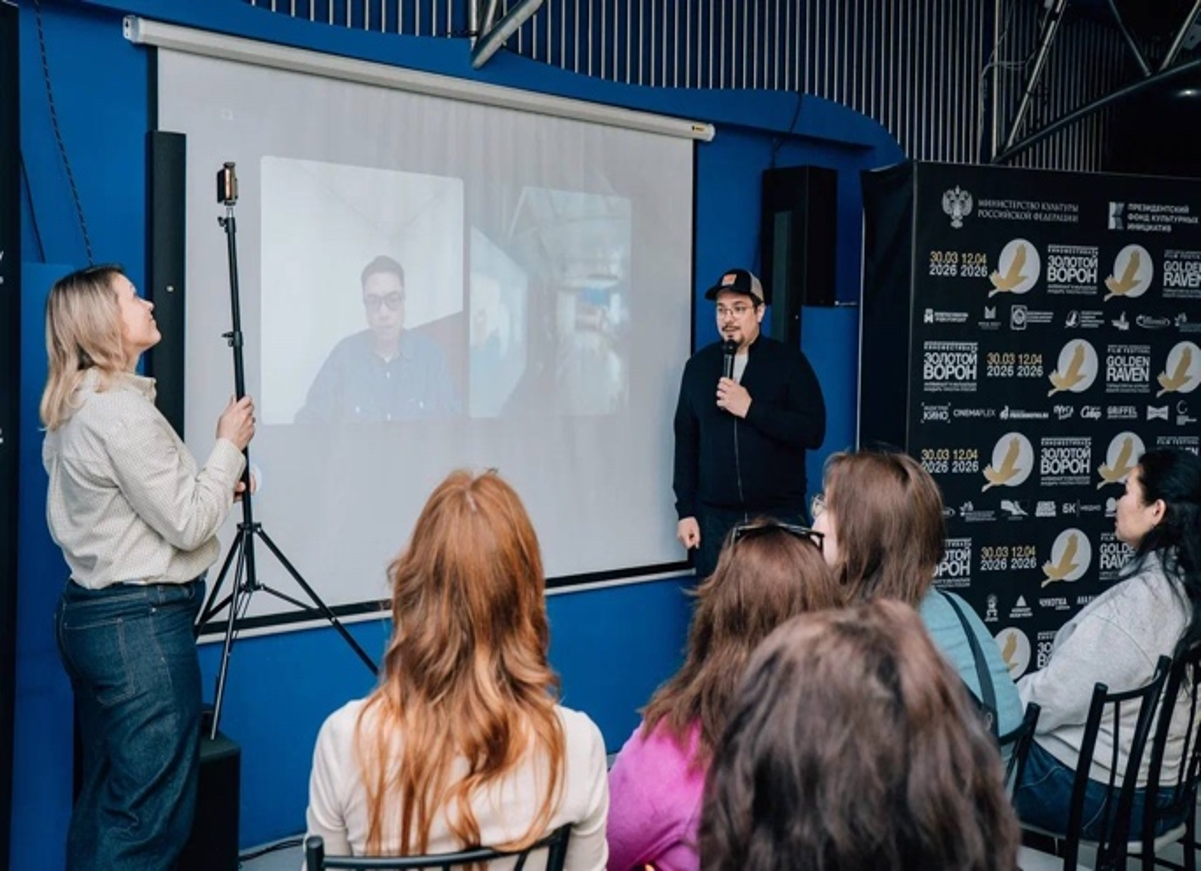
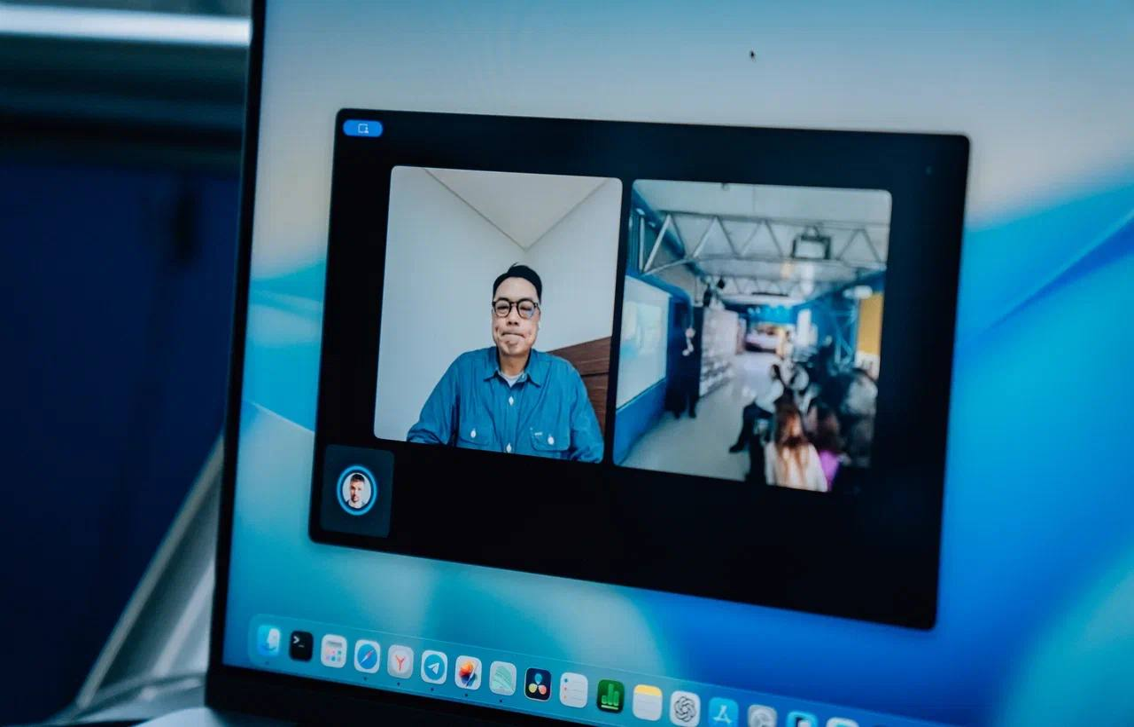
Masterclass by Yu Jae-hong (Republic of Korea)
Topic: “Secrets of a Successful Screenplay”
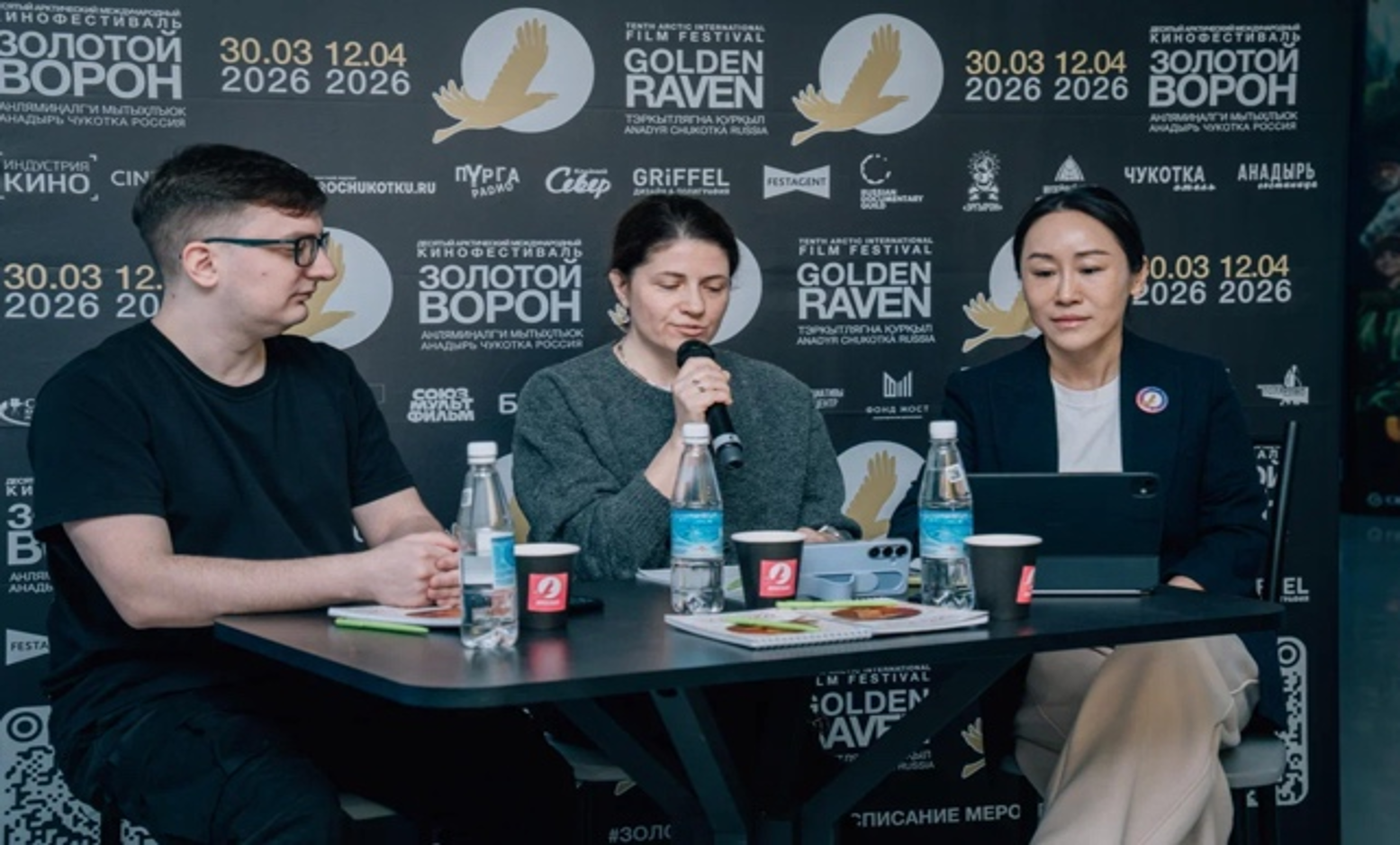
Moderator: Philipp Abryutin (Artistic Director of the Golden Raven Arctic International Film Festival, director, screenwriter, producer)
Speaker: Yu Jae-hong (Republic of Korea) (director, screenwriter)
Brief description:
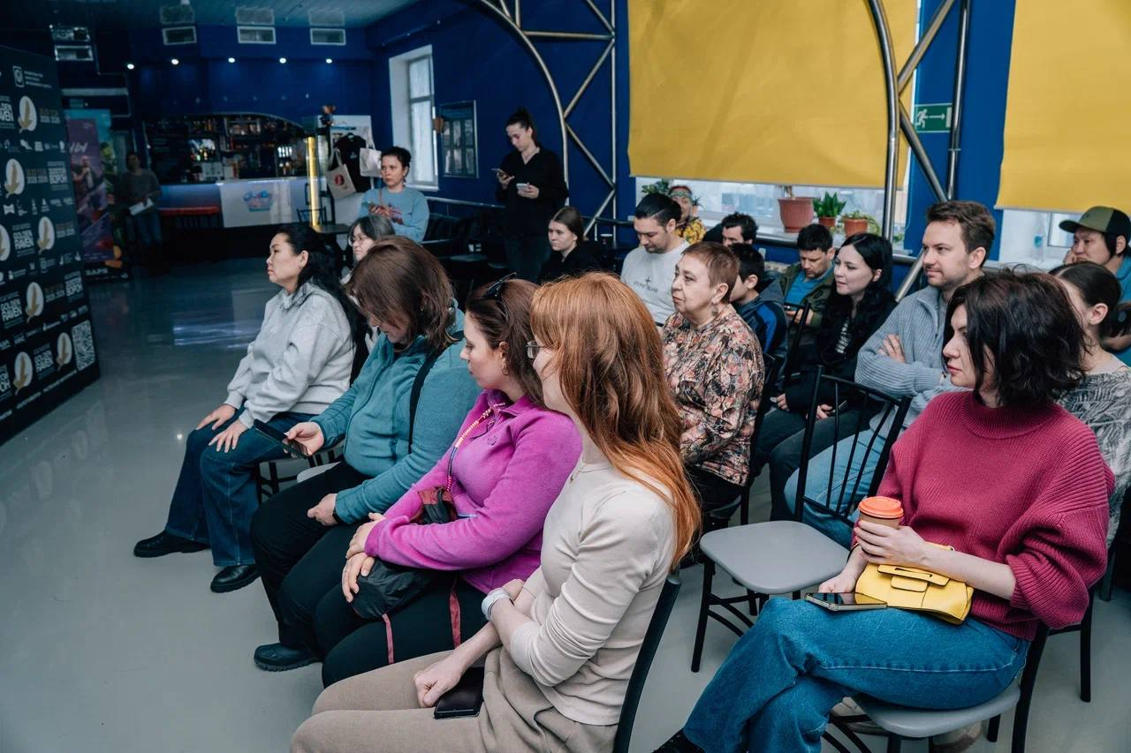
The masterclass “Secrets of a Successful Screenplay” opens the educational programme of the International Film Lab and is given by Yu Jae-hong, a director, screenwriter and showrunner from the Republic of Korea. The event is designed as an introductory screenwriting module whose aim is to acquaint participants with the basic principles of dramatic writing and to show which elements of a screenplay hold the viewer’s attention. In the first part of the masterclass, the speaker sets out the key laws of storytelling: the need for a single protagonist, a clear main goal for that protagonist, and the importance of conflict, recognition and the dramatic reversal – the moment when a character suddenly grasps the truth and changes their attitude to what is happening. Special emphasis is placed on the link between contemporary screenwriting practice and the classical dramatic tradition, including a look at Aristotle’s “Poetics” as a foundational text for directors and screenwriters.
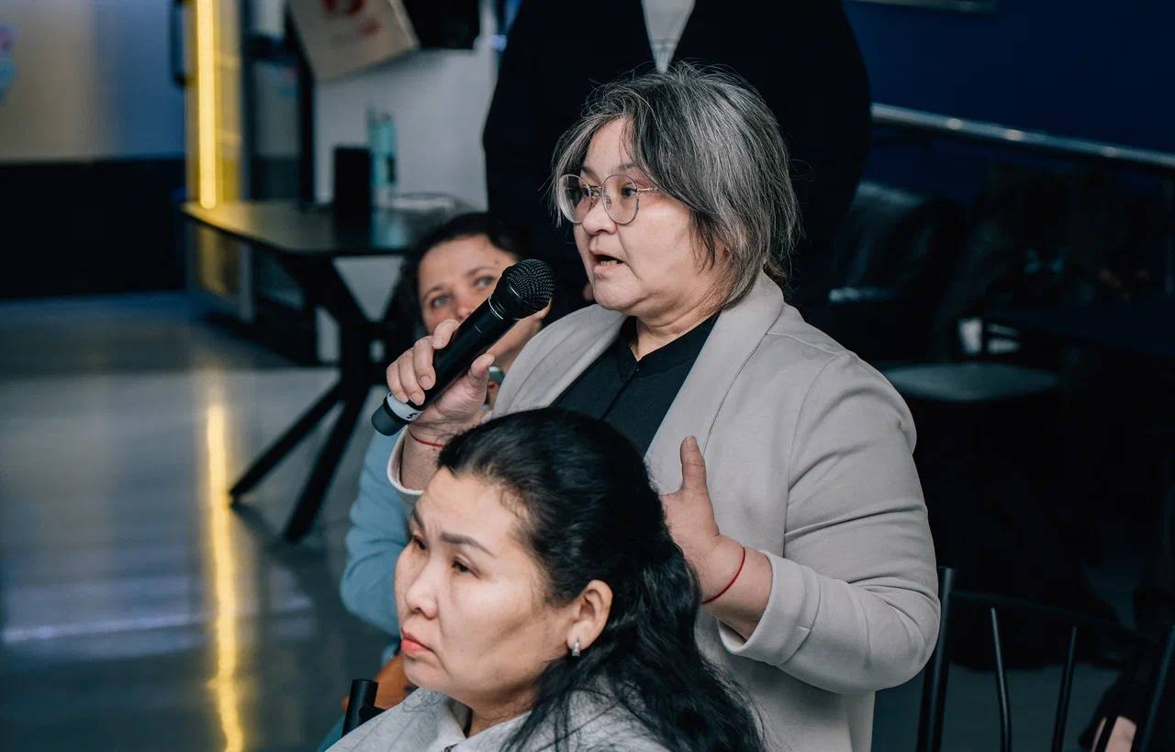
The second part of the event is a practical discussion with the Film Lab participants, who will be able to ask questions about creating a protagonist, developing a plot, building turning points and the screenwriter’s work on audience engagement. The masterclass is intended as the starting point for the Lab’s further work: participants receive a shared professional toolkit for analysing stories and the first tools they will be able to use when developing their own student films. The expected outcome of the event is that participants gain an understanding of the basic structure of a screenplay and of the role of the protagonist and the dramatic reversal, and are prepared for the Film Lab’s subsequent practical sessions.
April 1, 2026 (Wednesday)
Polyarny Cinema
(15 Otke St., Anadyr)
12:00 - 13:30
Industry Programme (12+)
Strategy Session
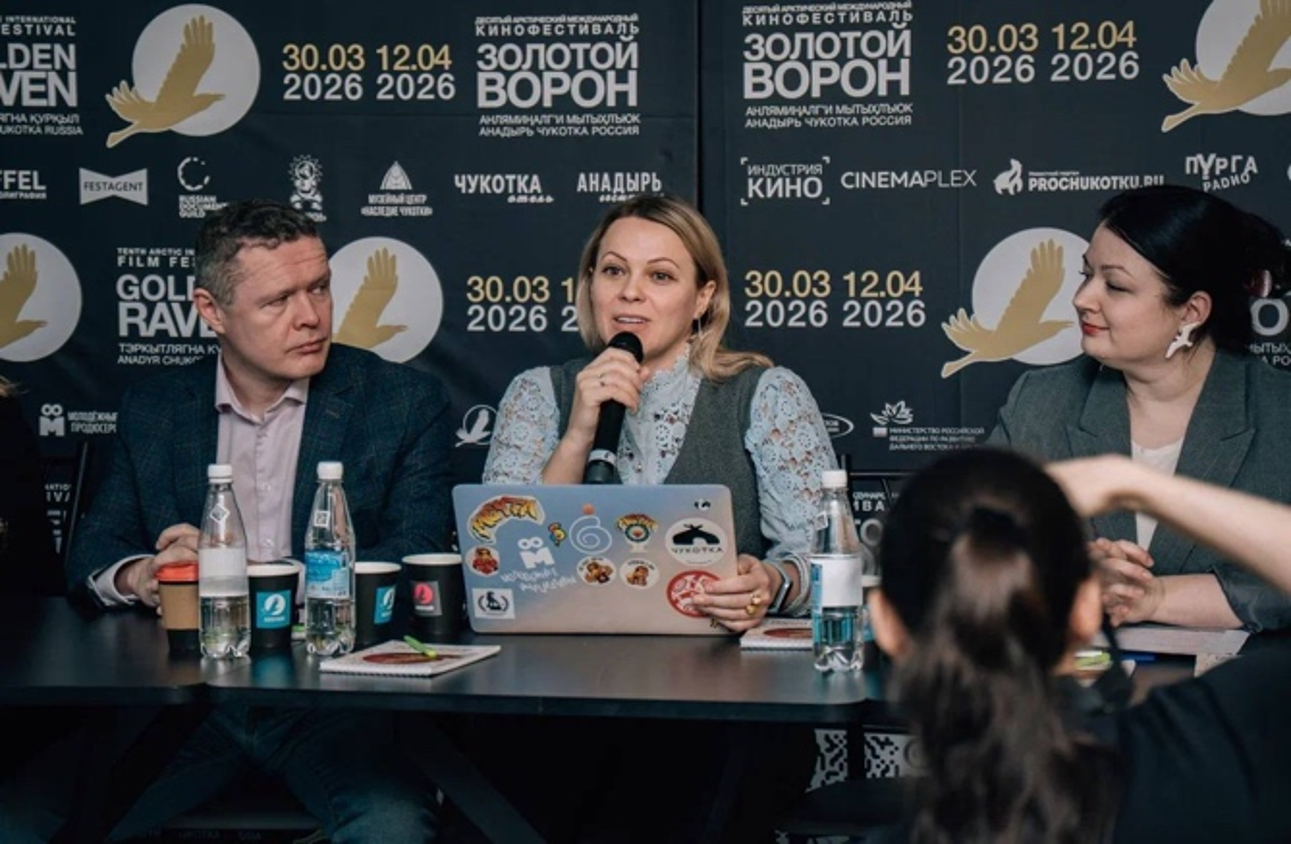
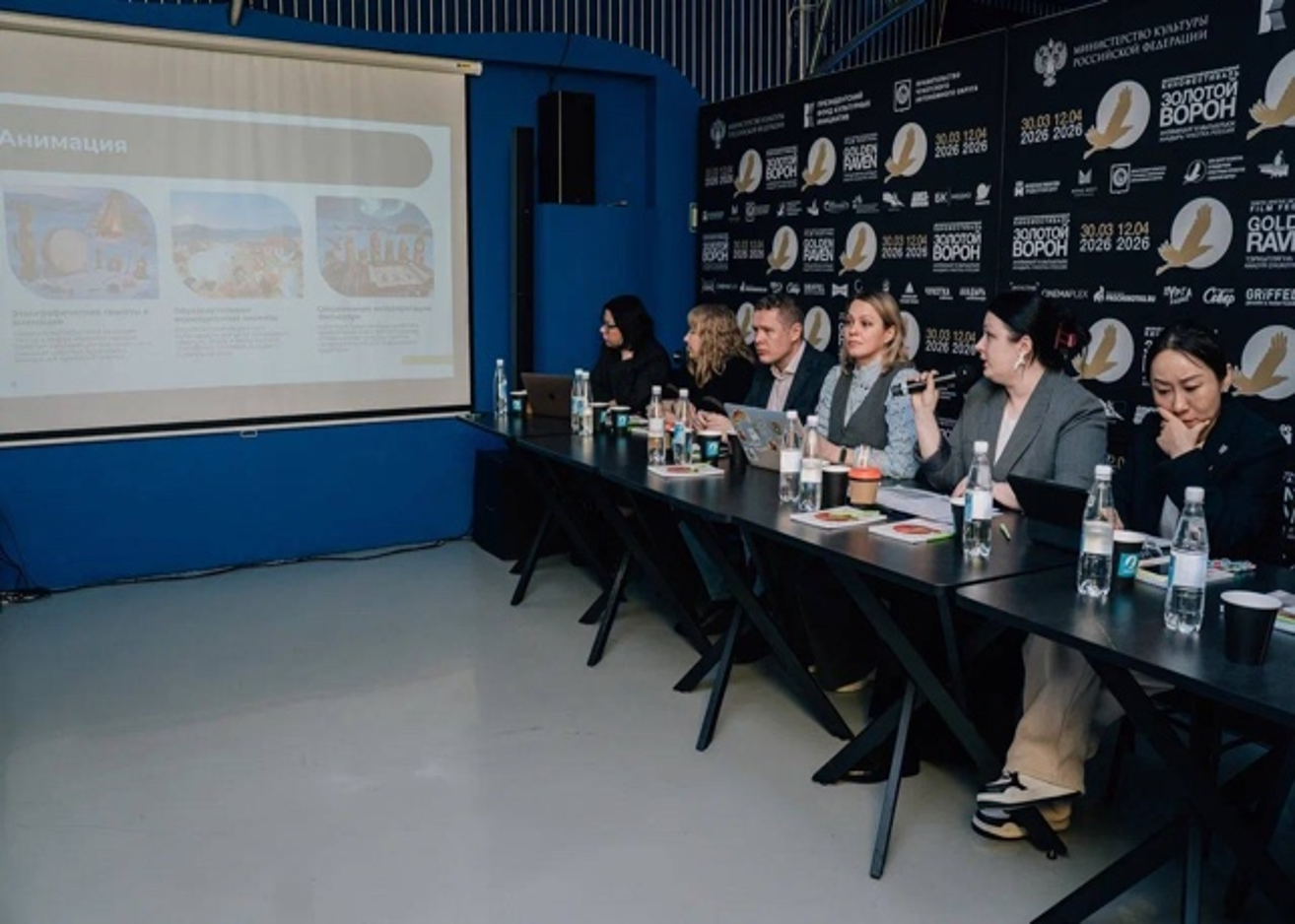
Topic: “The Golden Raven: From Festival to Ecosystem – Chukotka as a Territory of Cinema, Animation and International Cooperation”
Moderator: Maria Tokmasheva (Editor-in-Chief of the Kino-Teatr.ru portal)
Session description and rationale:
Over ten years, the Golden Raven Arctic International Film Festival has become not only the largest international film venue in the Far North but also an important instrument for developing Chukotka’s cultural environment. The anniversary festival drew more than 3,000 entries from over 100 countries, included more than 100 films in its programme and, for the first time, launched a feature-length animation competition.
Today the festival is moving beyond the bounds of an annual cultural event and becoming the basis for a broader conversation about the region’s future. The session is devoted to the next stage of this development: how to turn the festival’s success into a sustainable system that works for the people of Chukotka all year round. Participants will discuss which regional development tools in the film sector have already proved effective, how film commissions can work, what is needed to attract film shoots to the Russian Far East and the Arctic, how local content can find its way to audiences, and what opportunities international cooperation, animation, producing practices and new technologies – including artificial intelligence – open up for the region.
The relevance of the session is determined by several factors at once: the festival’s growing international standing, the need to develop local creative talent, the necessity of systematic support for children’s, youth and educational initiatives, the interest in the regions of the Russian Far East as new locations for film production, and the importance of shaping a contemporary cultural image of Chukotka – a territory open to dialogue, development and creativity.
Speakers:
1. Philipp Abryutin
Artistic Director of the Golden Raven Arctic International Film Festival
Topic of the talk:
From festival to ecosystem: what the Golden Raven has already changed in Chukotka and what the next step should be
Key questions:
what the festival has already given Chukotka as a cultural venue and a territory of international dialogue;
how the scale and aims of the festival have changed over ten years;
why it is important today to talk not only about the festival but also about a system that works all year round;
what the next stage in the development of the festival and its role in the region might be.
2. Oksana Lakhno
Lead Producer of the Golden Raven Arctic International Film Festival
Topic of the talk:
How the festival works in practice: animation, labs, children, young filmmakers and a producer’s logic of development
Key questions:
how the festival develops its animation and educational strands;
why work with children, teenagers and young filmmakers is strategic;
how labs and hands-on formats help shape future professionals;
what results this work is already producing and what needs further development.
3. Ekaterina Kuznetsova
Representative of the Department of Culture and Tourism of Chukotka Autonomous Okrug
Topic of the talk:
Chukotka as a territory of cultural development: regional priorities in cinema, animation and the creative industries
Key questions:
the significance of the festival for Chukotka’s cultural environment;
the place of cinema and animation in the system of regional cultural priorities;
support for local talent and for children’s and youth initiatives;
prospects for the further development of the creative agenda in the region.
4. Irina Belova
General Director of Yenisei Kino, a regional state autonomous cultural institution
Topic of the talk:
How a region builds a working film ecosystem: the practical experience of Krasnoyarsk Krai
Key questions:
where a regional film ecosystem begins;
which tools really work in practice;
how to combine film exhibition, talent, infrastructure and promotion;
which steps matter most for regions at the initial stage.
5. Elena Kutsenko
Film scholar, representative of the Crimean Film Commission
Topic of the talk:
The film commission as a tool for territorial development: why it is needed and where work with film shoots begins
Key questions:
what role a film commission plays in the development of a region;
what conditions are needed to attract film crews;
how cooperation with producers and film companies is built;
which steps may be the most realistic for Chukotka.
6. Roman Isaev
Representative of the Association of Cinema Owners
Topic of the talk:
From production to audience: distribution, promotion and regional cinema’s path to its viewers
Key questions:
what difficulties regional cinema faces on its way to the audience;
what producers and filmmakers need to take into account as early as the project development stage;
how cinemas and distributors can support local films;
which promotion strategies matter most for regional projects.
7. Liang Jiashan
Producer, Brand Director of the AI Film Institute (China)
Topic of the talk:
Artificial intelligence and the new creative industries: what opportunities are opening up for the Russian Far East and Chukotka
Key questions:
which AI tools are already being used in film and animation today;
which of them may be especially useful for remote regions;
how artificial intelligence can help develop local content and education;
which formats of cooperation between Chinese and Russian partners in this field are the most promising.
8. Qiao Liang
Director, producer, screenwriter (China)
Topic of the talk:
Chinese producers’ interest in the Russian Far East and the Arctic: what could make Chukotka a hub for future co-productions
Key questions:
how interested Chinese producers and filmmakers are today in the Russian Far East and Russia’s northern territories as a space for production;
which themes, landscapes and story formats may be most in demand in the context of possible Russian–Chinese cooperation;
what conditions the region must offer for the conversation about joint projects to become concrete;
which formats of cooperation are the most realistic in the near term.
9. Gülten Taranç
Director, screenwriter, producer (Türkiye)
Topic of the talk:
How a local story becomes international: independent cinema as a language of cultural dialogue
Key questions:
why local stories deeply rooted in culture and memory become intelligible to international audiences;
what role festivals play in promoting independent national cinema;
what helps an auteur film travel beyond its own country and enter into genuine cultural dialogue;
why it is so important for regions to be visible to the world not only through infrastructure but also through powerful artistic statements.
April 1, 2026 (Wednesday)
Polyarny Cinema
(15 Otke St., Anadyr)
16:00 - 19:00
Industry Programme (12+)
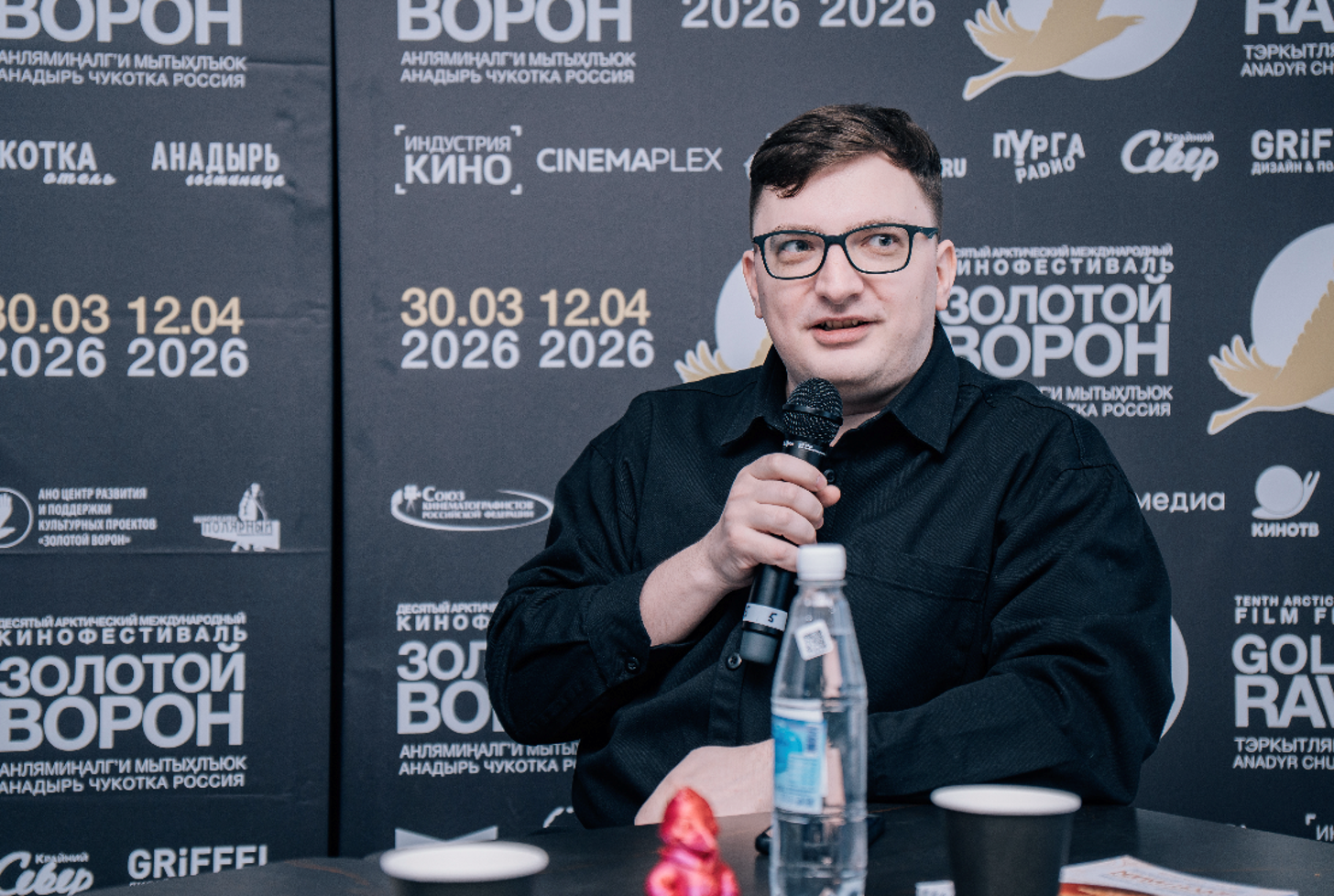
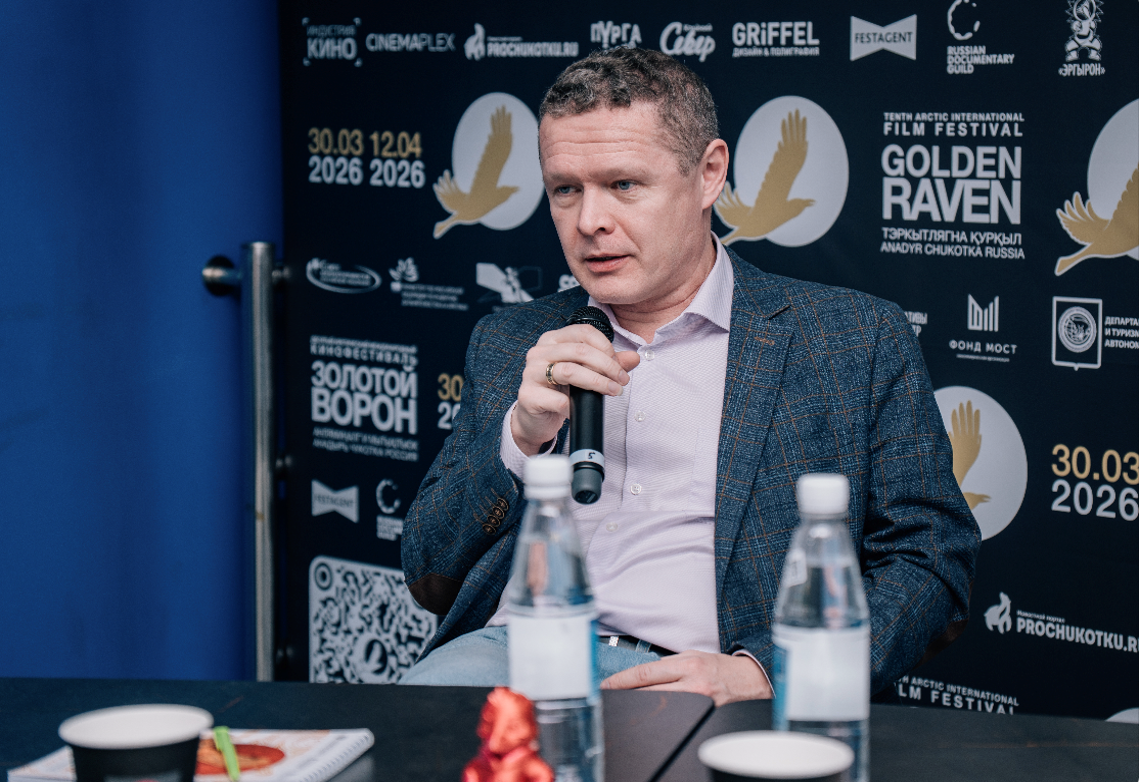
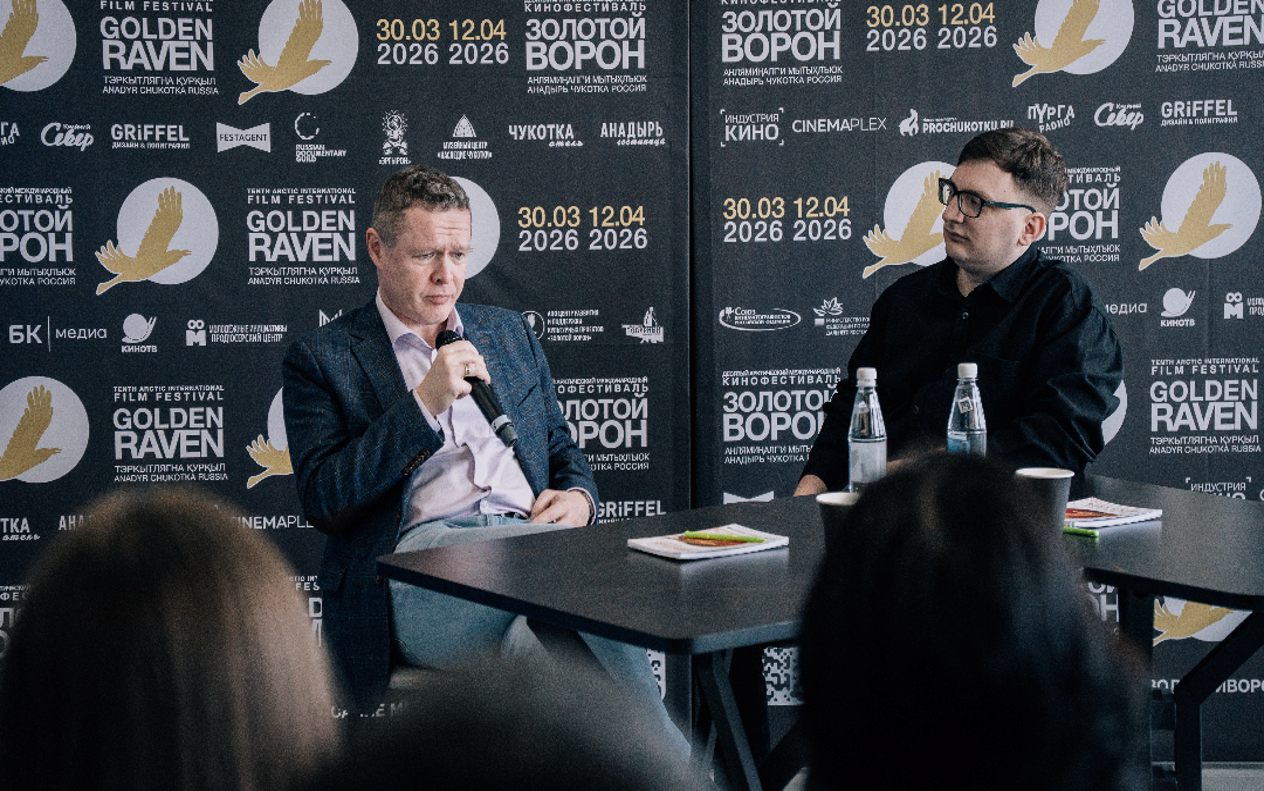
International Film Lab. Masterclass by Roman Isaev (representative of the Association of Cinema Owners, distributor)
Topic: “Russian Film Distribution in New Conditions: Challenges, Audiences and Development Strategies”
Moderator: Rifat Fazlyev (Editor-in-Chief and founder of the online publication Cinemaplex)
Speaker: Roman Isaev (representative of the Association of Cinema Owners, distributor)
Brief description:
Roman Isaev’s masterclass “Russian Film Distribution in New Conditions: Challenges, Audiences and Development Strategies” is held as part of the industry programme of the International Film Lab and is devoted to the current state of the Russian film industry, the work of cinemas, distribution and the way films connect with their audiences. The speaker – Roman Isaev, a distributor and representative of the Association of Cinema Owners – examines the key changes that film market players are facing in today’s difficult conditions: the transformation of cinemas’ programming policies, changes in audience behaviour, the growing importance of Russian content, the problems of promoting films, and the need to find new models of cooperation between producers, distributors, cinemas and regional cultural venues. The session is moderated by Rifat Fazlyev, Editor-in-Chief and founder of the online publication Cinemaplex, which makes it possible to structure the conversation not only as a lecture but also as a professional discussion of the real state of the industry.
The practical part of the event is a discussion of the prospects for Russian film distribution and of the opportunities for regional projects, festivals and young filmmakers in the industry as it stands today. Participants will be able to ask which films have a chance of finding their audience today, how a film’s path from production to screen is built, what factors influence cinemas’ interest, and how regional initiatives can be integrated into the overall film distribution system. The expected outcome of the masterclass is that participants gain a more accurate understanding of the mechanisms of the Russian film market, the role of cinemas and distributors, and the practical conditions that must be taken into account in developing and promoting film projects and in their subsequent life with audiences.
April 2, 2026 (Thursday)
Polyarny Cinema
(15 Otke St., Anadyr)
11:00 - 12:30
Industry Programme (12+)
International Film Lab.
Masterclass by Vladimir Karachevsky (Republic of Belarus) (General Director of Kinovideoprokat, a unitary enterprise of the Minsk City Executive Committee; producer)
Topic: “The CIS as a Space for Film Distribution and Co-production: Opportunities for Filmmakers and Producers”
Moderator: Rifat Fazlyev (Editor-in-Chief and founder of the online publication Cinemaplex)
Speaker: Vladimir Karachevsky (Republic of Belarus) (General Director of Kinovideoprokat, a unitary enterprise of the Minsk City Executive Committee; producer)
Brief description:
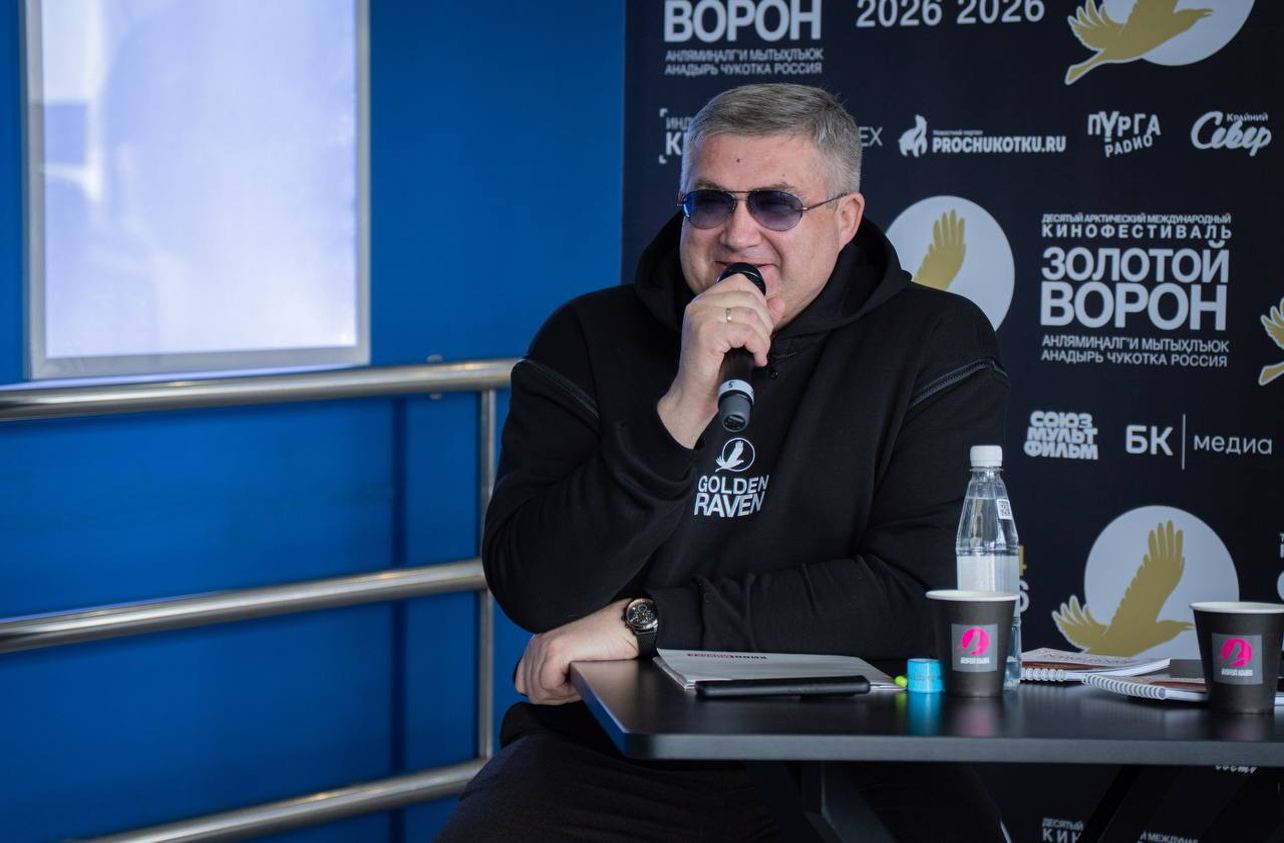
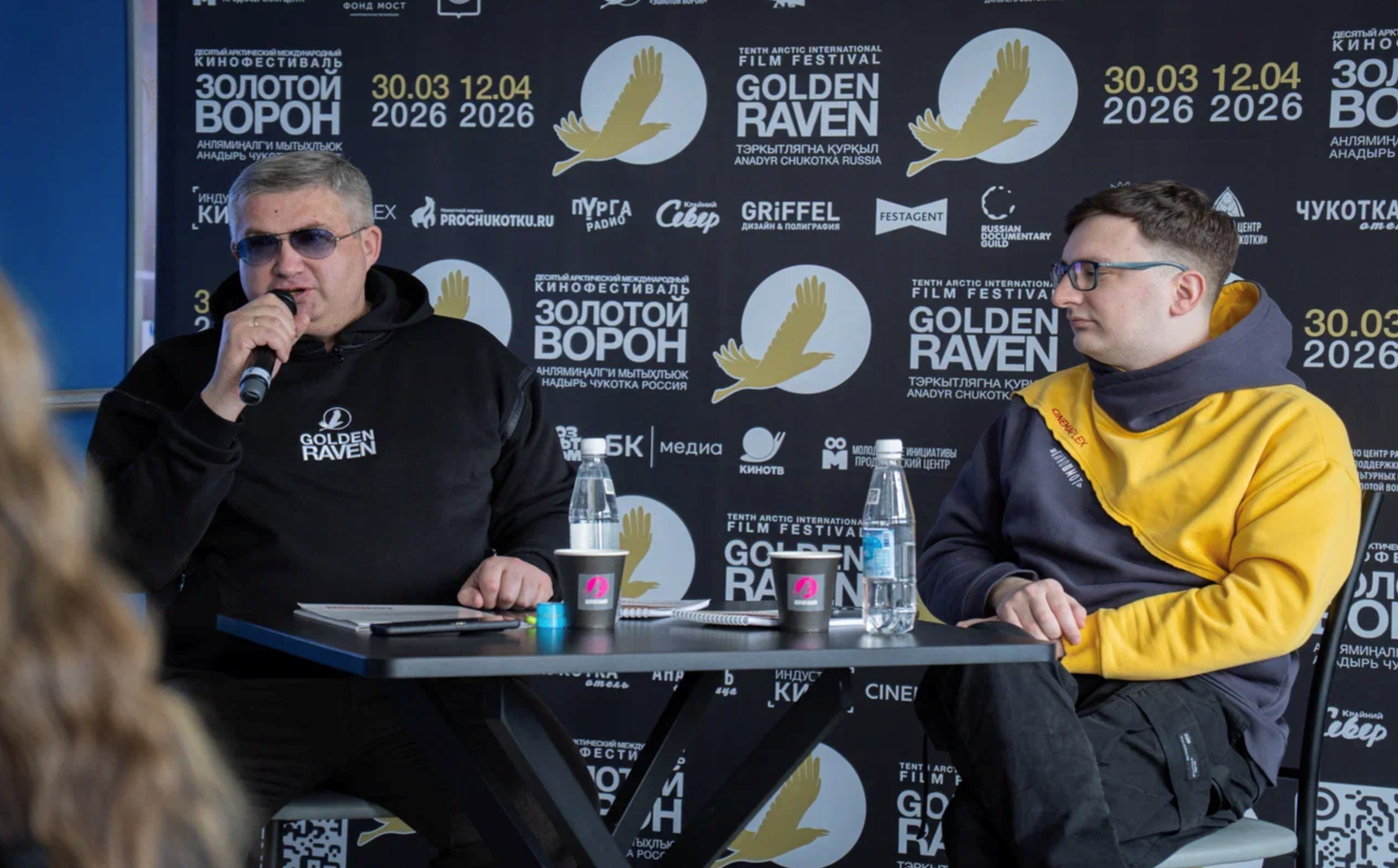
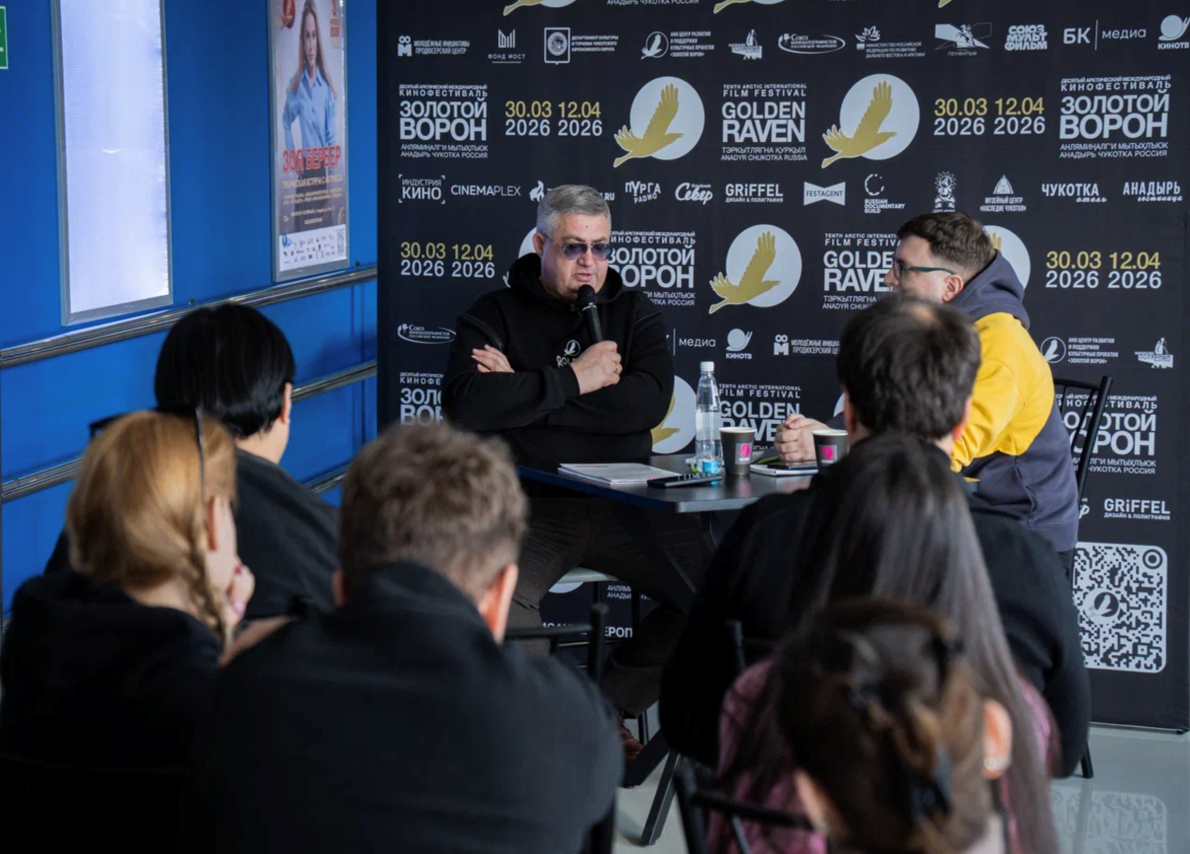
Vladimir Karachevsky’s masterclass “The CIS as a Space for Film Distribution and Co-production: Opportunities for Filmmakers and Producers” is held as part of the festival’s industry programme and is devoted to the practical prospects for film promotion, distribution and co-production in the CIS countries. The speaker – Vladimir Karachevsky, General Director of Kinovideoprokat, a unitary enterprise of the Minsk City Executive Committee, Head of the Programme Directorate of the Listapad Film Festival and producer – looks at the CIS market as an important avenue for Russian and regional film projects. The first part of the session is a conversation about distribution opportunities in Belarus, the particular features of audience interest there, and the ways local audiences differ from major international markets. Special attention is paid to the fact that well-known actors or a large budget are not always the decisive factor for viewers: far more important is a precise understanding of the target audience, the genre, the subject and the way a film communicates with its viewers.
In the second part of the masterclass, participants discuss co-production as a tool for developing film projects and reaching a wider market. The speaker examines which CIS countries may be promising co-production partners and which matters need to be agreed before work on a film begins: the screenplay, the budget, the flow of funds, the allocation of production costs and the partners’ areas of responsibility in the different countries. The practical section of the event is designed to give participants an idea not only of the creative but also of the producing conditions of making a film in international cooperation. The expected outcome of the masterclass is that participants come to see the CIS as a real space for distribution, co-production and a film’s long-term life with audiences, and realise that a film’s commercial potential can unfold not only at the moment of release but also over the years that follow.
April 3, 2026 (Friday)
Polyarny Cinema
(15 Otke St., Anadyr)
11:00 - 12:30
Industry Programme (12+)
International Film Lab.
Masterclass by Liang Jiashan (People’s Republic of China) (Brand Director of the Beijing Academy of Artificial Intelligence (BAAI))
Topic: “The Use of AI in Contemporary Chinese Film Production”
Moderator: Rifat Fazlyev (Editor-in-Chief and founder of the online publication Cinemaplex)
Speaker: Liang Jiashan (People’s Republic of China) (Brand Director of the Beijing Academy of Artificial Intelligence (BAAI))
Brief description: Liang Jiashan’s masterclass “Contemporary Chinese Film Production: Artificial Intelligence, the Audience and Prospects for Co-production” is held as the closing event of the International Film Lab and is devoted to current processes in the Chinese film industry, new technological tools and opportunities for international cooperation. The speaker – Liang Jiashan, Managing Director of Beijing Shine Cinemas Co., Ltd. and Brand Director of the Institute for Research on the Future of AI-Integrated Cinema (AIGC) – examines the current state of film production in China in the context of global challenges, including the declining interest of part of the audience in going to the cinema and the need to find new ways of engaging with viewers. In the first part of the masterclass, participants learn how the Chinese film industry is responding to changes in audience behaviour, how content production is developing, and what role artificial intelligence technologies are beginning to play in creating visual material.
The second part of the event features a demonstration and discussion of sample projects created with AI, as well as ways of combining neural-network technologies with live-action footage. Using specific examples, participants will be able to see how artificial intelligence is used to transform a shot visually, change the season, refine the image and create fragments that come close in quality to live-action footage. A separate section of the masterclass is devoted to the impact of AI on professional roles in film: the speaker explains that the technologies primarily replace routine operations but do not do away with the creative tasks of the author, director and producer. The final part of the session is devoted to the prospects for Russian–Chinese co-production: participants discuss the difficulties arising from differences in culture, audience expectations and screenwriting models, as well as the need to develop stories that can be understood by, and appeal to, audiences in both countries.