News / 2026 / X Festival
Industry Programme of the Anniversary 10th Golden Raven Arctic International Film Festival
Industry Programme of the Anniversary 10th Golden Raven Arctic International Film Festival.
April 9, 2026
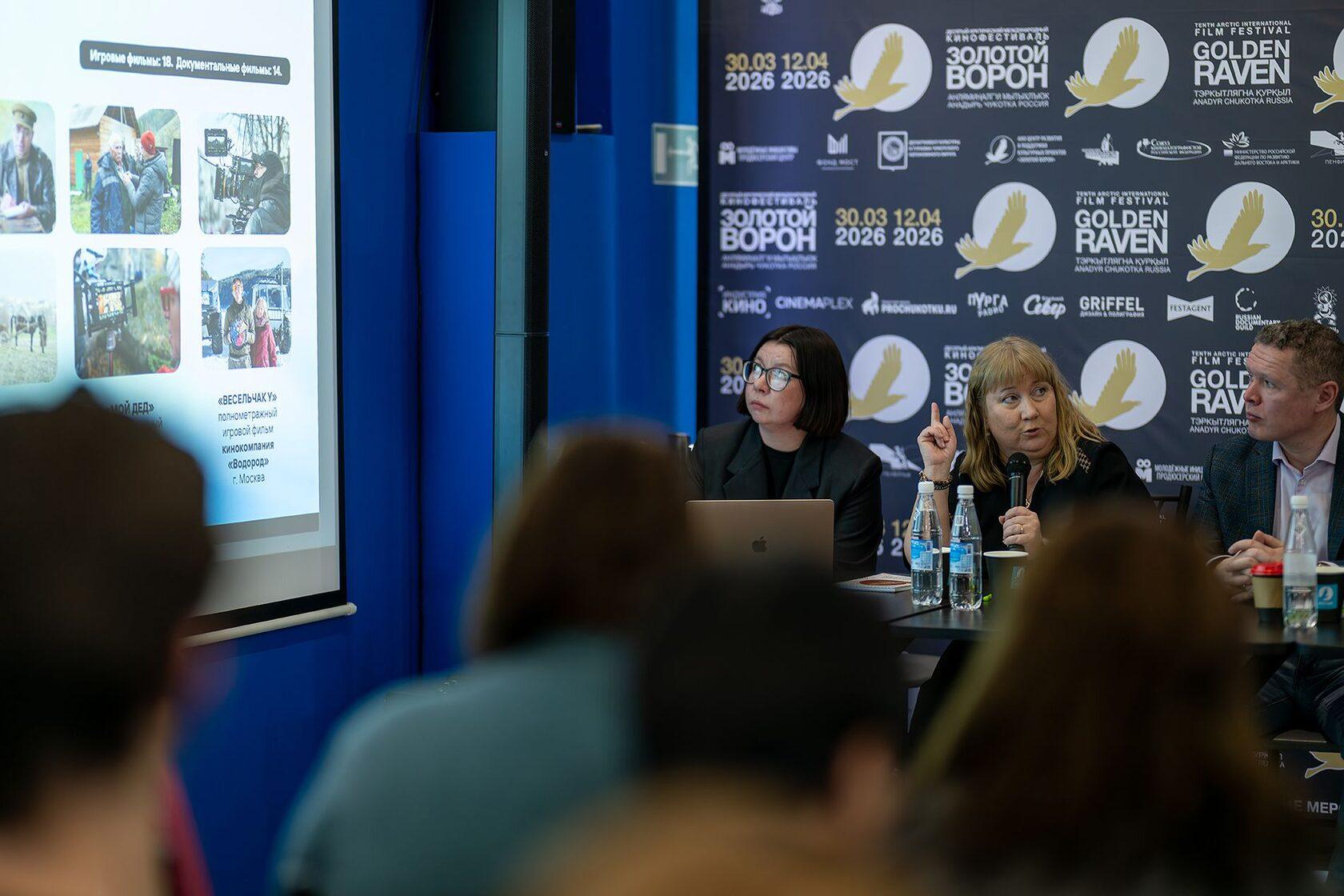
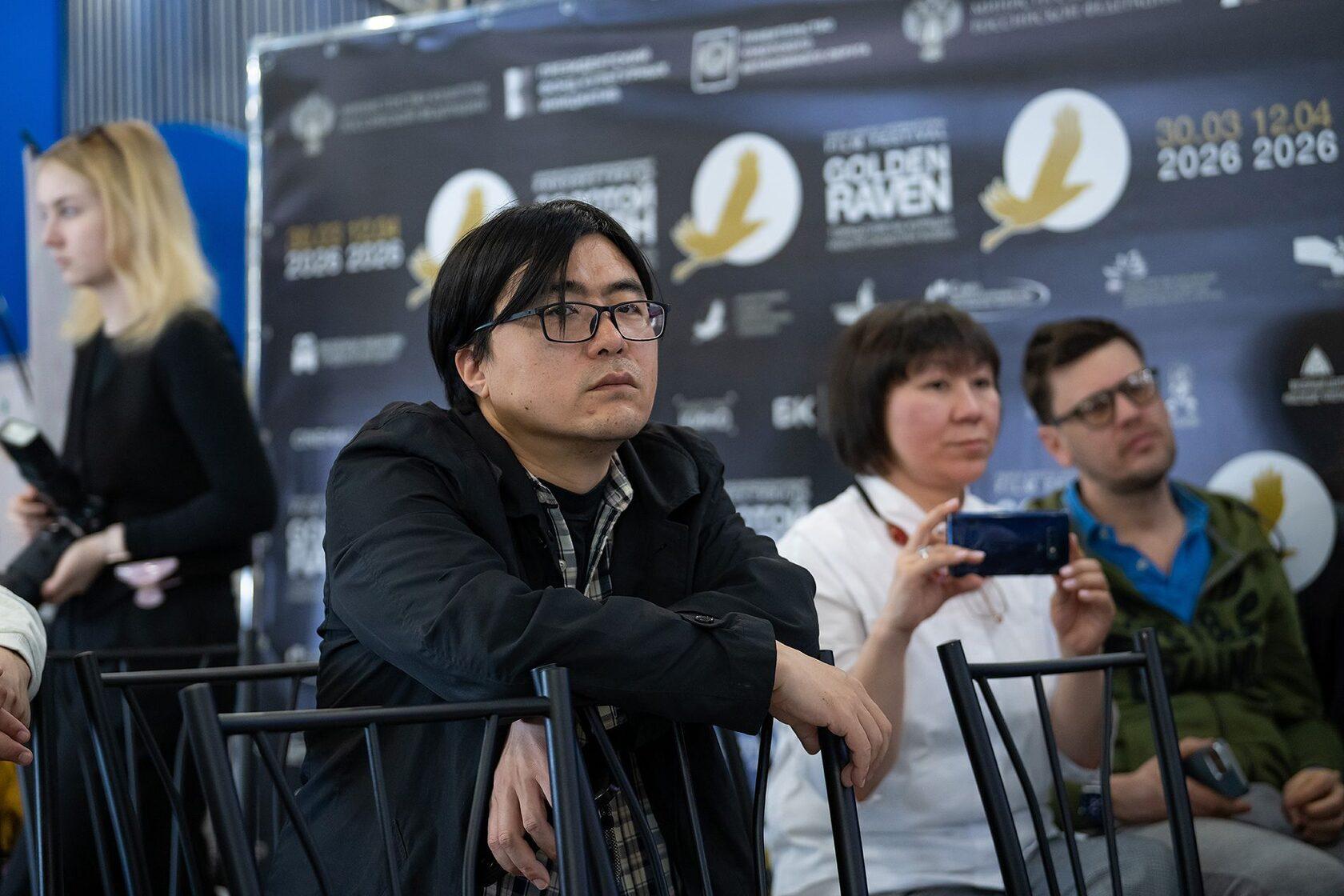
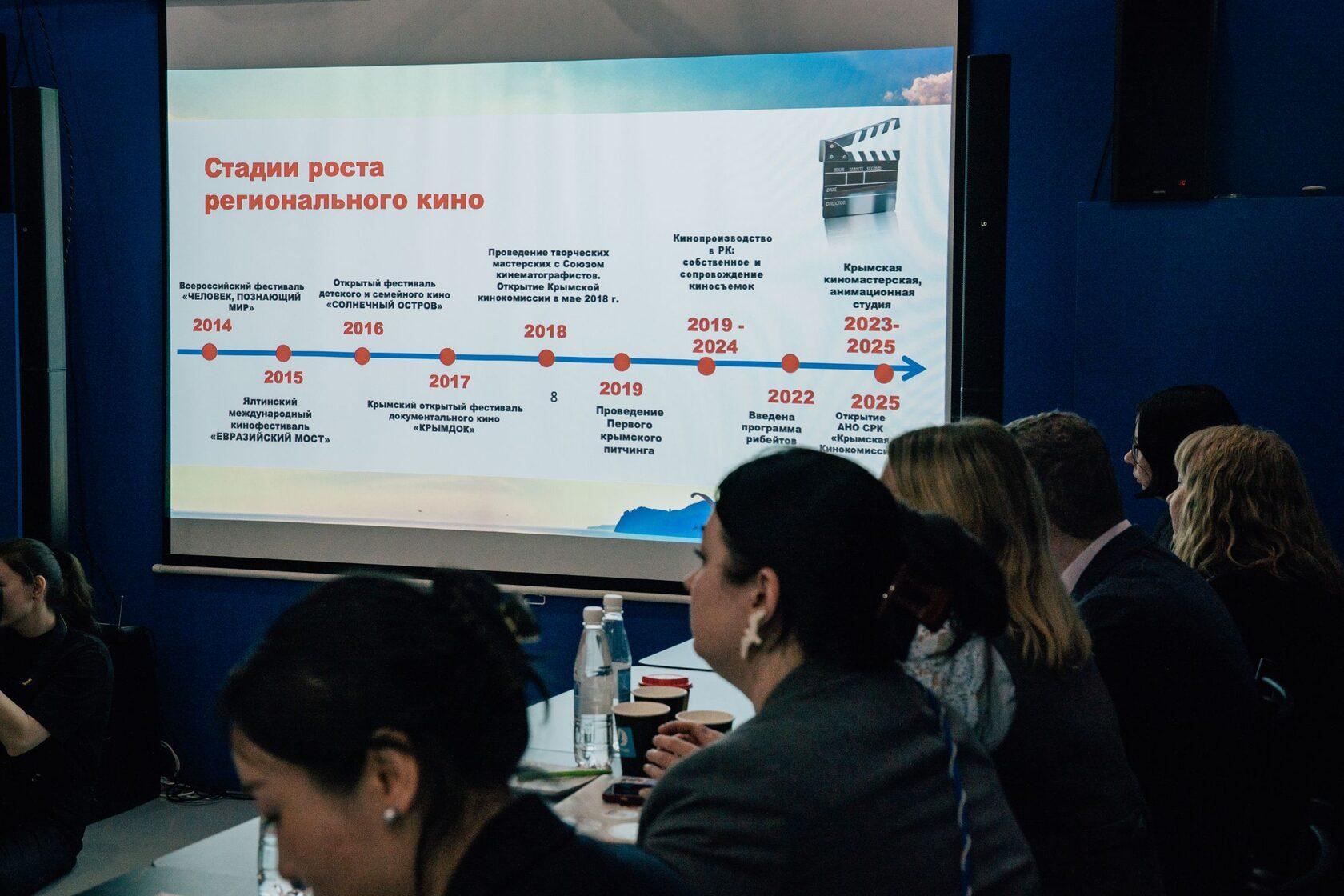
The anniversary 10th Golden Raven Arctic International Film Festival, which is taking place in Anadyr from March 30 to April 5, is summing up the results of its industry programme. Over these days the capital of Chukotka has become a platform for professional dialogue on the future of the film industry in the Russian Far East, the development of regional film production, international cooperation, distribution, the work of film commissions, educational projects and the use of new technologies. Dozens of experts and professionals from Russia and abroad came to Anadyr and shared their experience at the masterclasses, the International Film Lab and the strategic session of the anniversary festival.
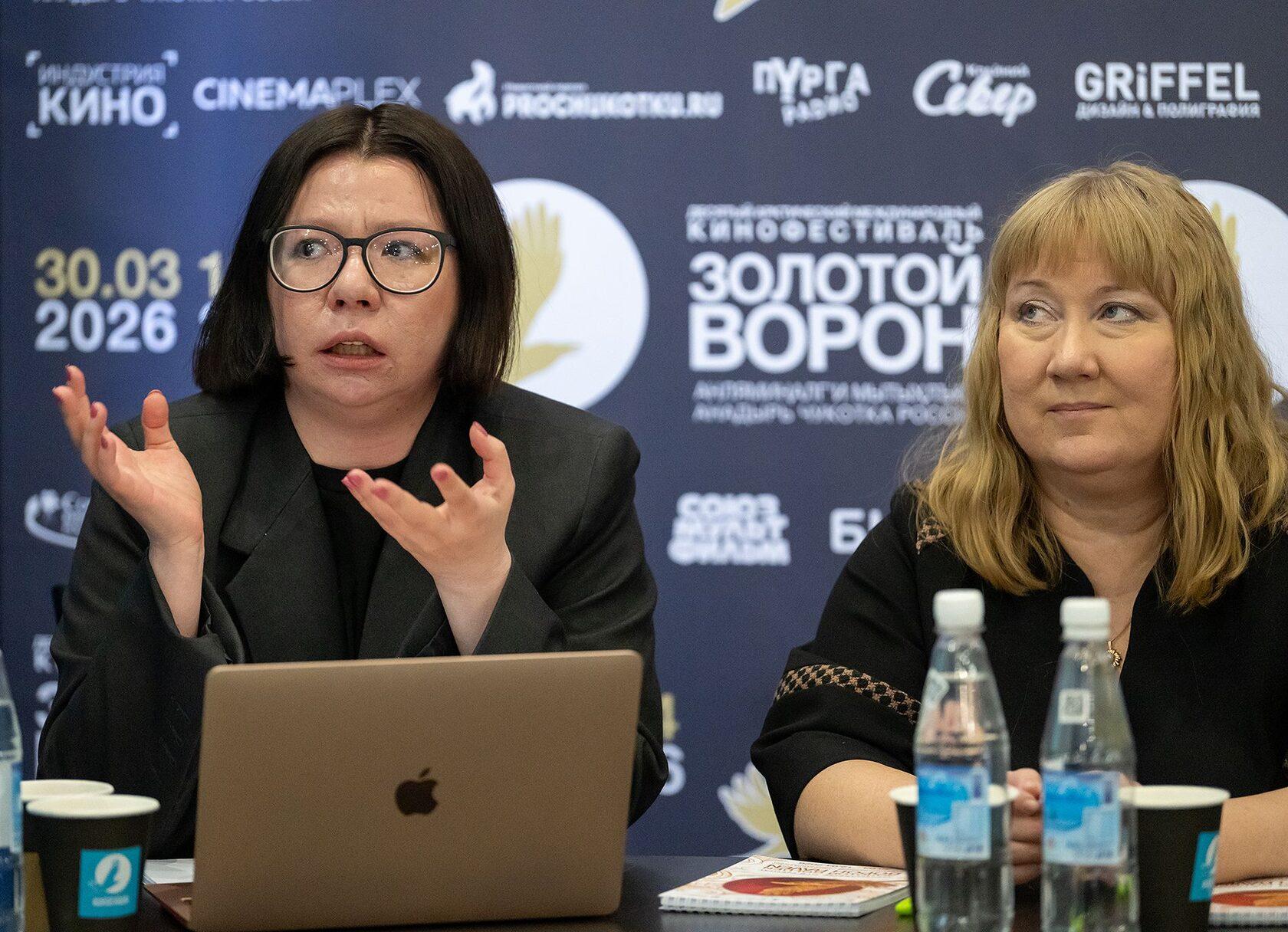
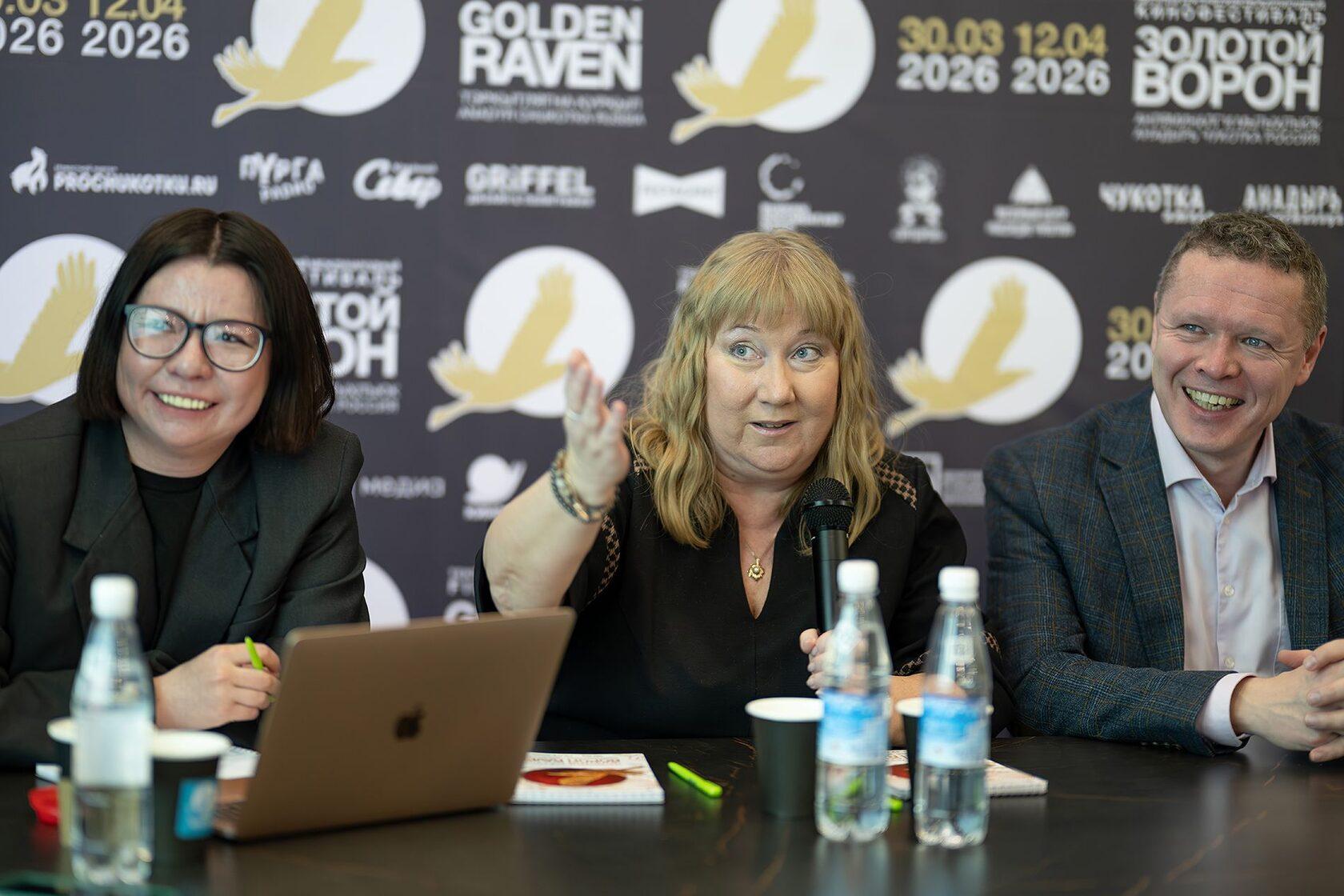
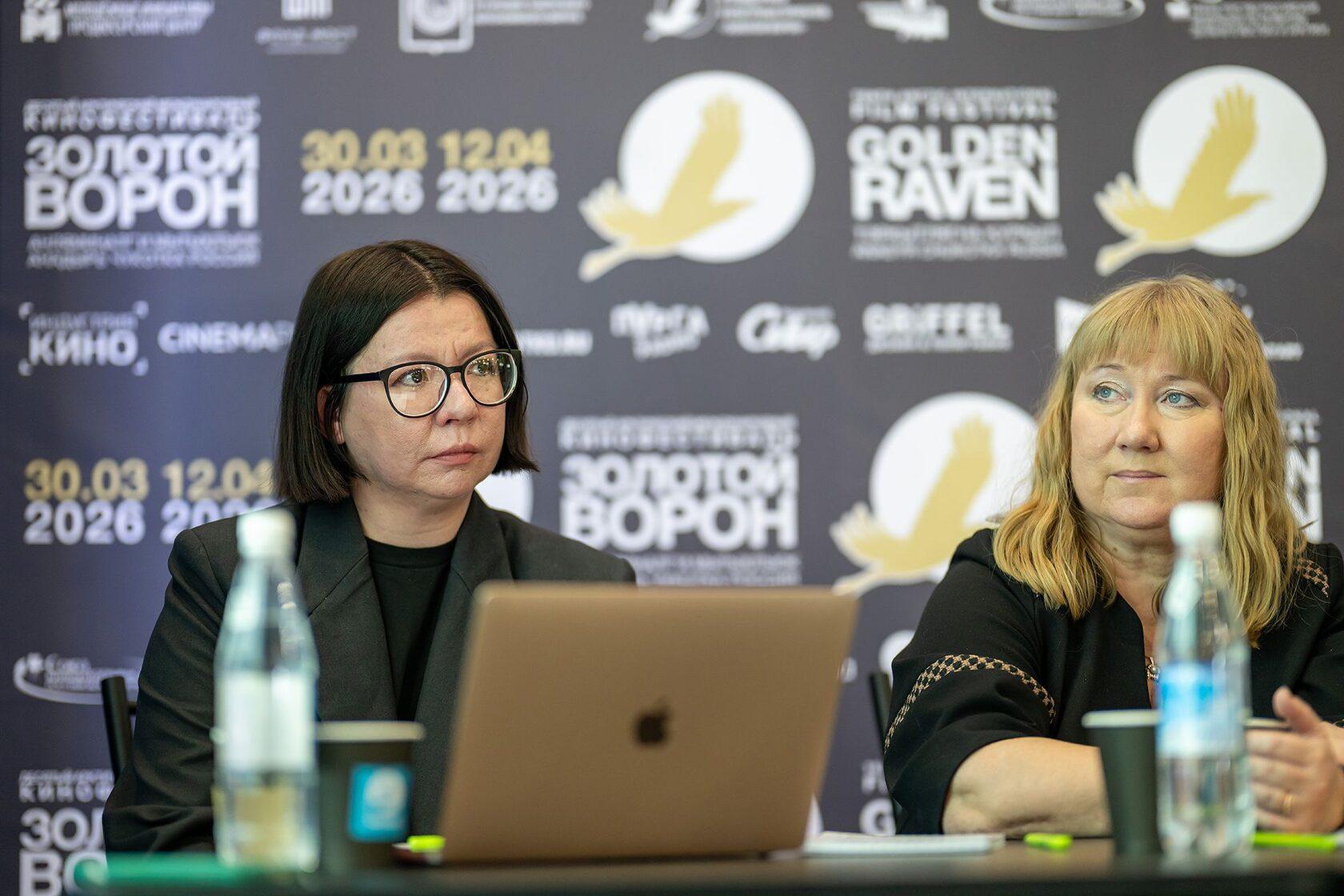
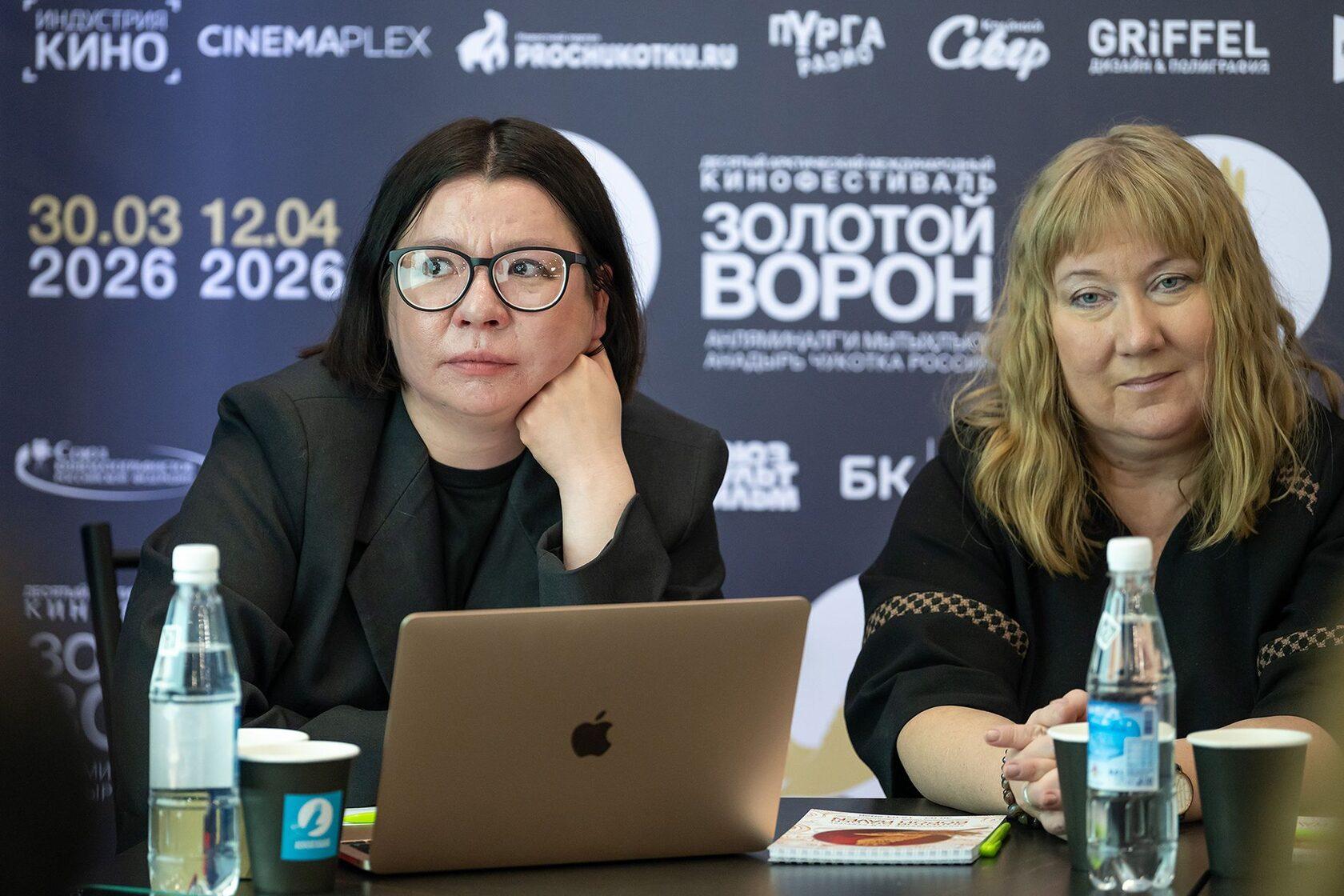
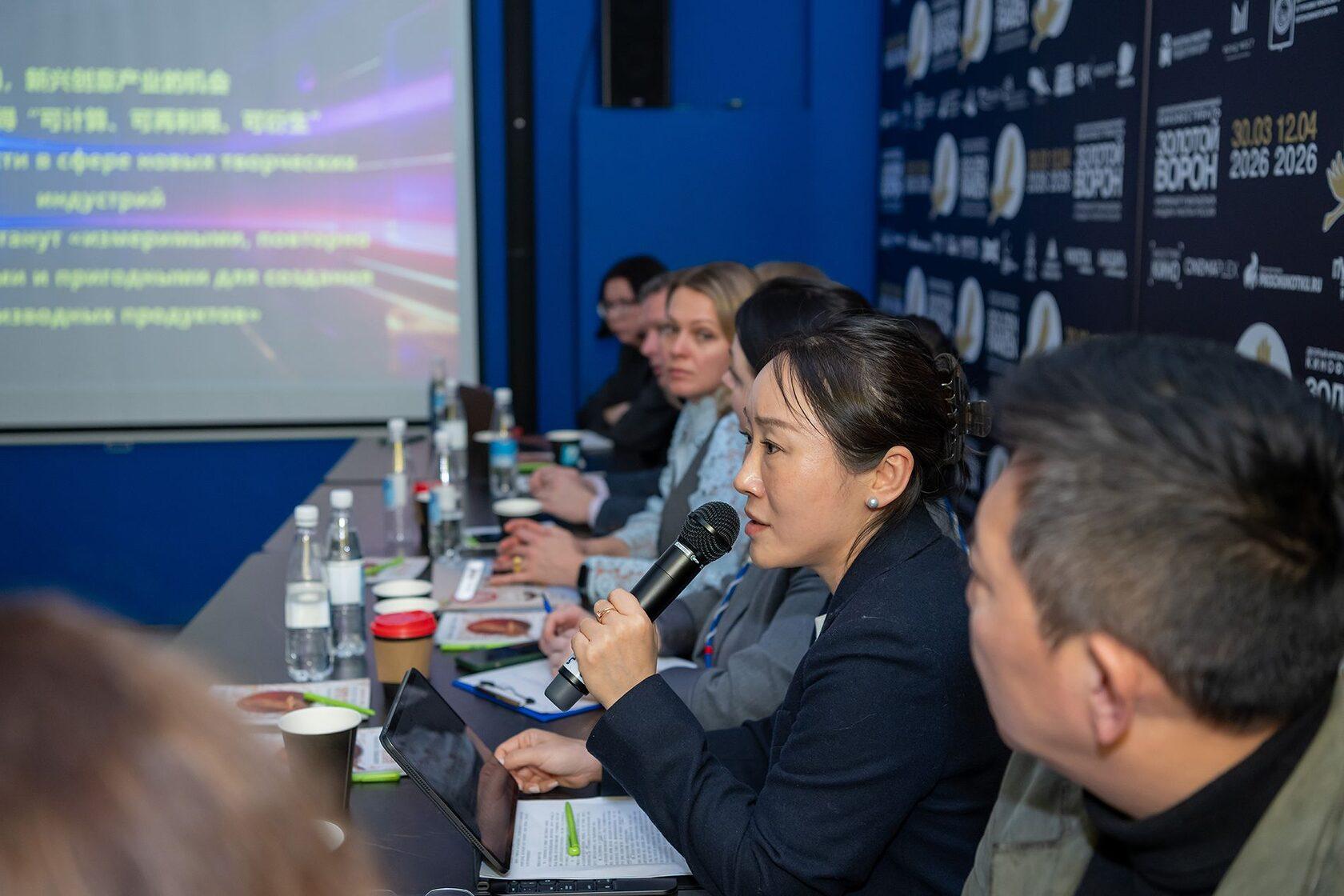
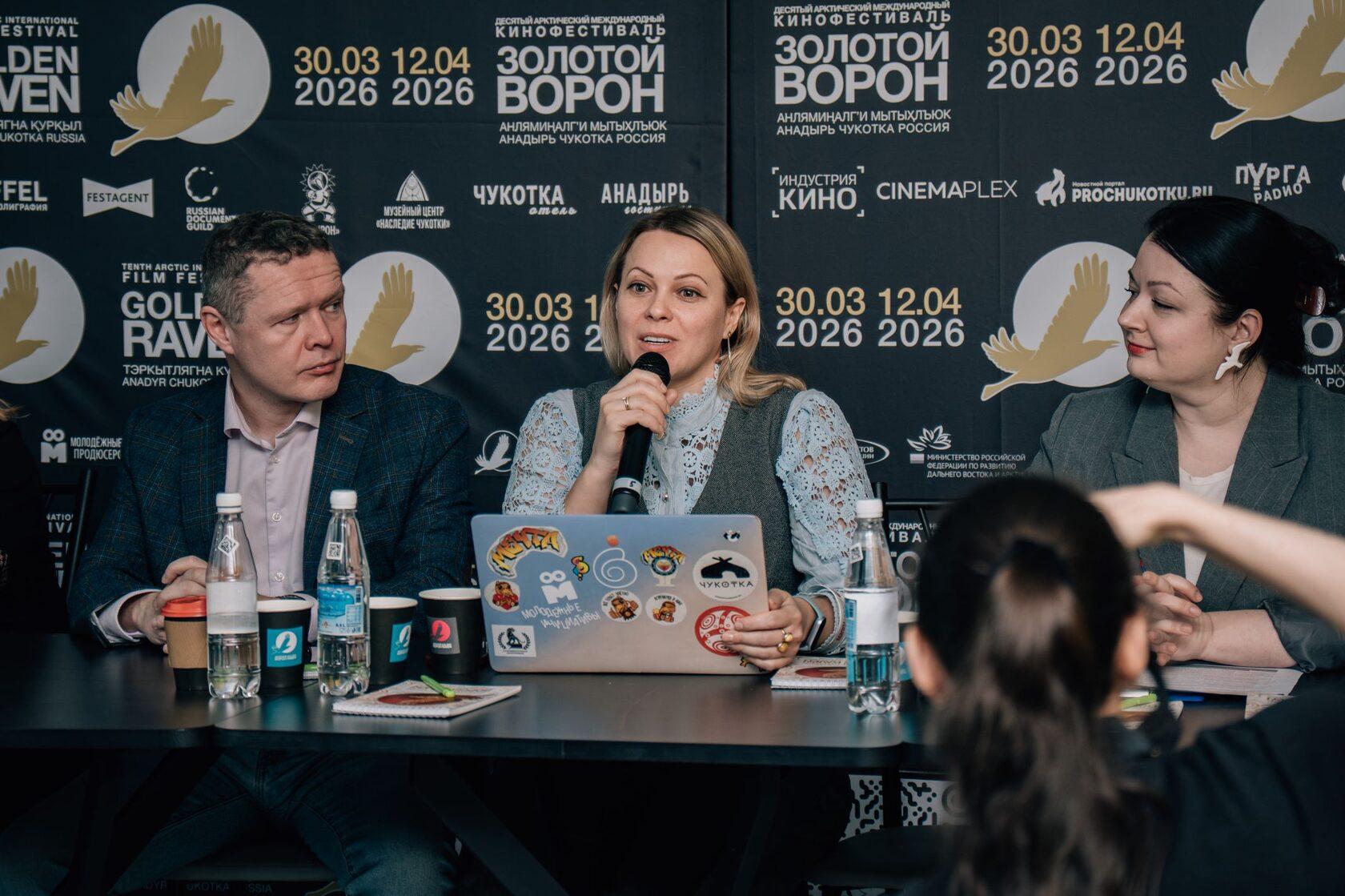
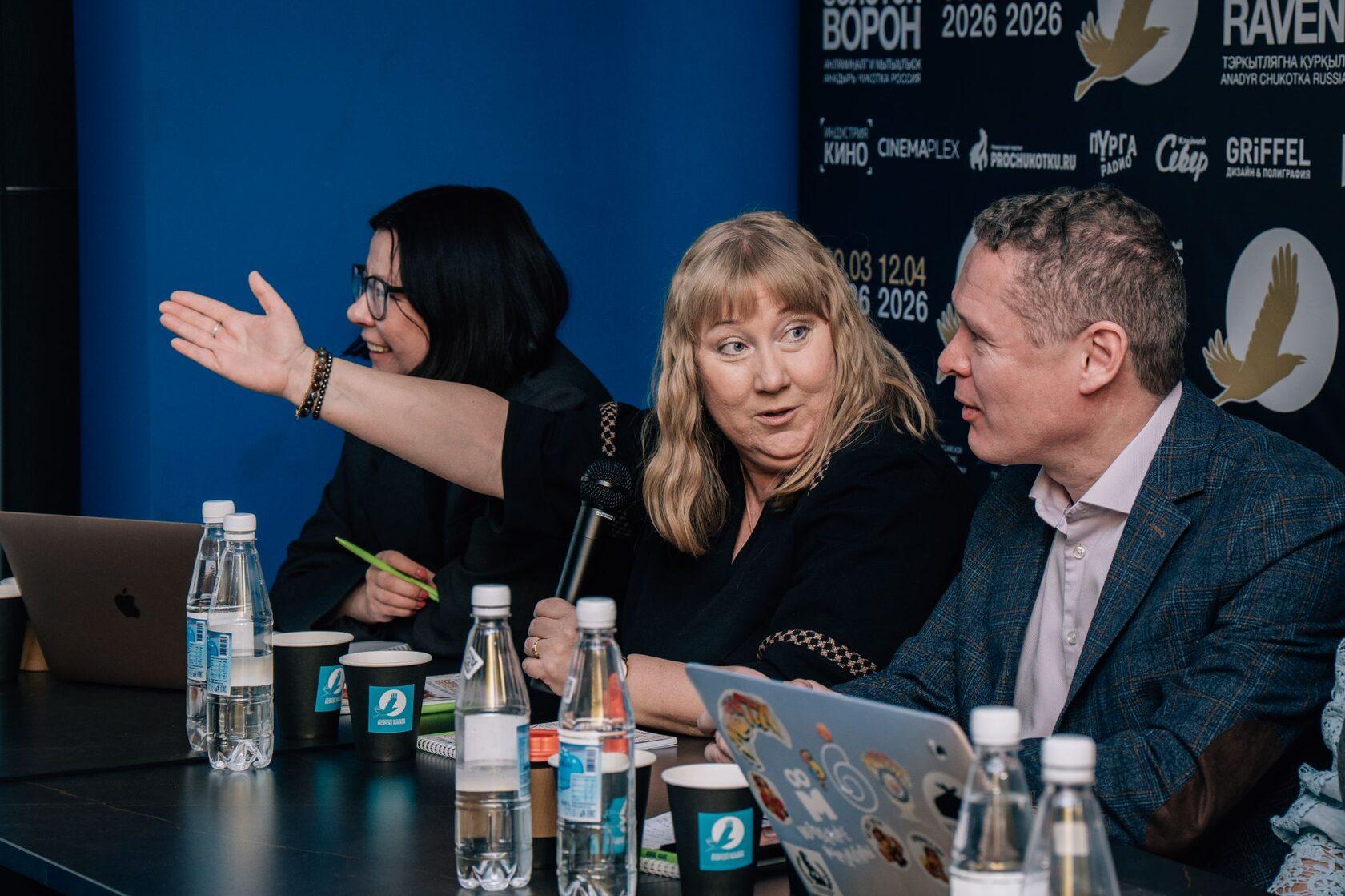
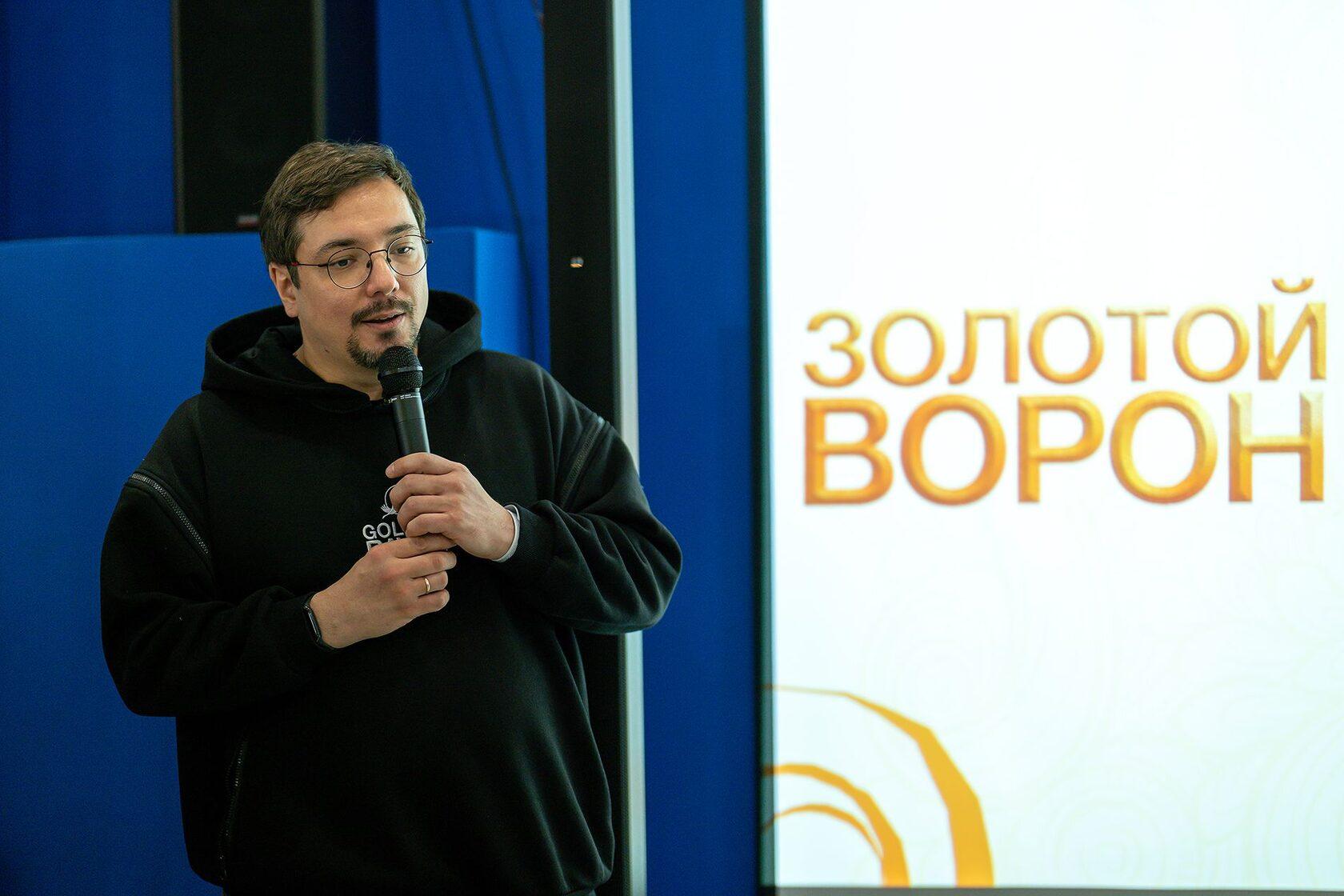
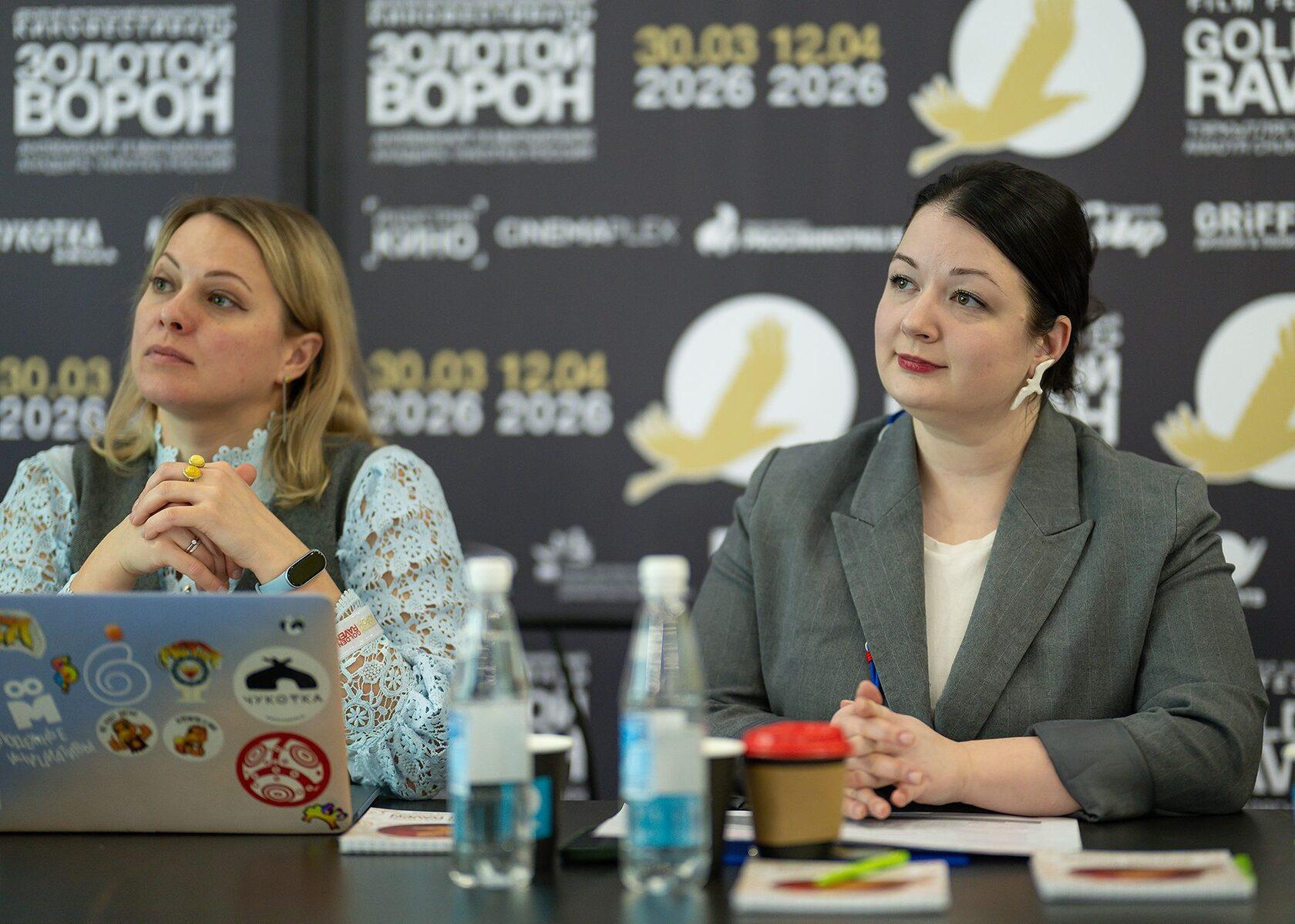
The strategic session “Cultural Dialogue in the Arctic: Cinema as a Driver of Creative Industries and International Cooperation” brought together Philipp Abryutin, artistic director of the Golden Raven festival; Oksana Lakhno, lead producer of the Golden Raven festival; Ekaterina Kuznetsova, representative of the Department of Culture and Tourism of Chukotka Autonomous Okrug; Irina Belova, General Director of the Krasnoyarsk cultural institution Yenisei Kino and member of the jury of the Kinovzlet! (“Film Takeoff!”) competition; Elena Kutsenko, film scholar, representative of the Crimean Film Commission and member of the Kinovzlet! jury; Roman Isaev, representative of the Association of Cinema Owners; Liang Jiashan, producer, brand director of the AI Film Institute (China) and member of the jury of the Golden Raven short film competition; Qiao Liang, Chinese director, producer and screenwriter and member of the jury of the feature-length competition; and Gülten Taranç, a Turkish filmmaker taking part in the feature-length fiction and documentary competition. The session was moderated by Maria Tokmasheva, editor-in-chief of the Russian portal Kino-Teatr.Ru.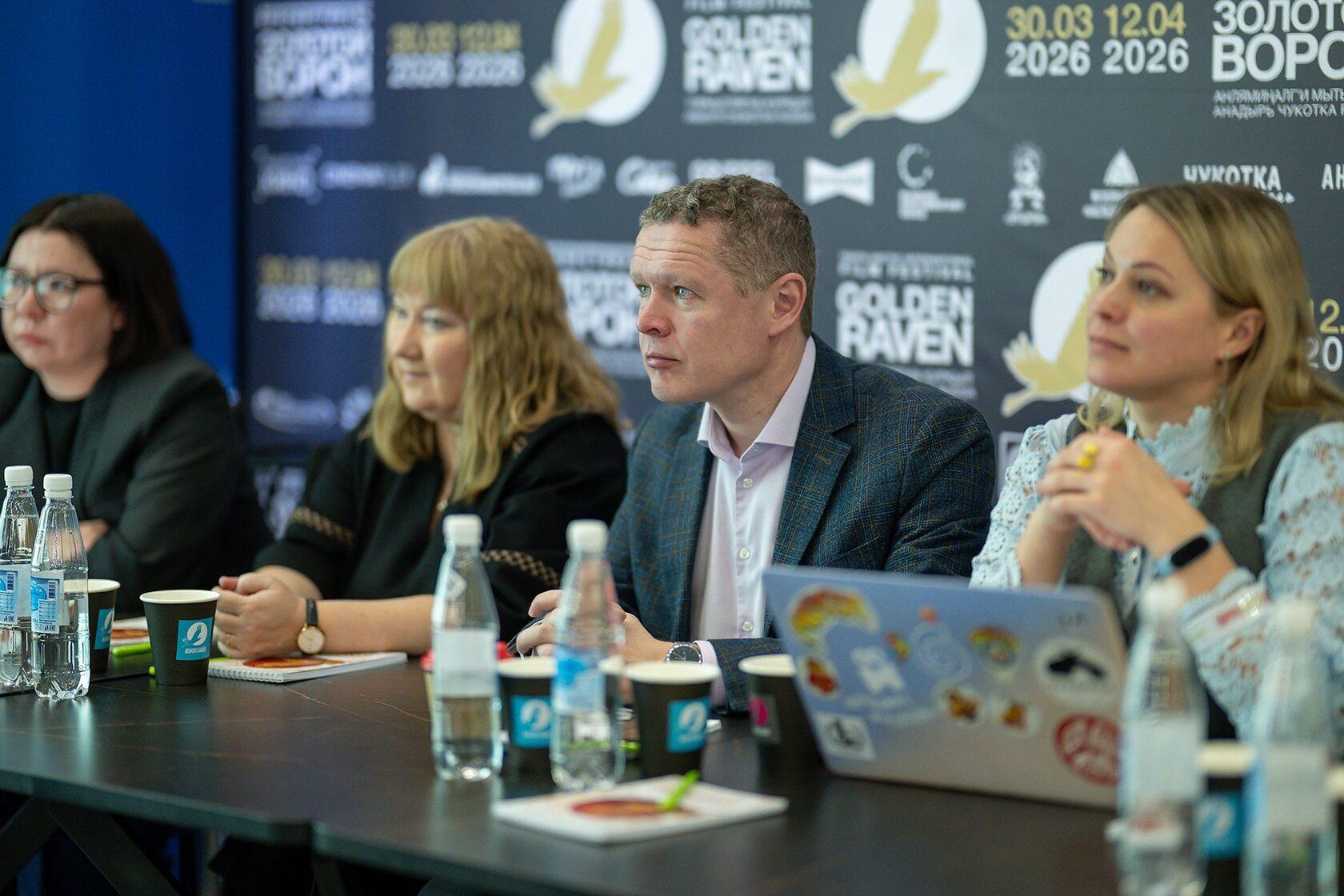 “Whenever the Golden Raven’s industry platform is at work, we want not only to talk about the festival’s own path and prospects but also to listen to the guests who come to us, because we believe they can share their experience with us – of developing the industry, of individual film commissions across the country, and of the potential for international cooperation. We are only beginning to make sense of the journey of the Golden Raven, which in ten years has grown from a small film event into a festival that many people find interesting and important. It is flexible, cosy and, in a sense, warm and intimate. It is about cinema, about audiences, about dialogue,” said Philipp Abryutin, artistic director of the Golden Raven festival.
 Oksana Lakhno, lead producer of the Golden Raven, went on to describe what makes the festival distinctive. In 2016 it started out with the Kinovzlet! programme alone; just a year later the first Chukotka film festival, the Golden Raven, was founded, showing films from all over the country; and in 2018 it gained international status. This year the traditional fiction and documentary competition programmes were joined for the first time by a feature-length animation section.
“Our film festival actually works all year round. It is not just the competition screenings taking place these days at Polyarny Cinema. Next week the cultural programme continues for audiences in Chukotka, who will be able to attend plays, concerts and film screenings. We run the big Golden Raven Film Marathon, which lasts six months and includes screenings all across the Russian Federation. What is more, this year we have gone international – we are showing Golden Raven films in Kyrgyzstan, Kazakhstan and Belarus, and Türkiye, Serbia and Argentina are in our plans. We are open to any kind of cooperation. By our count, we already have 79,000 offline viewers, and we are actively developing our online presence. For example, last year’s industry programme was watched online by 2 million viewers,” stressed Oksana Lakhno, lead producer of the Golden Raven festival.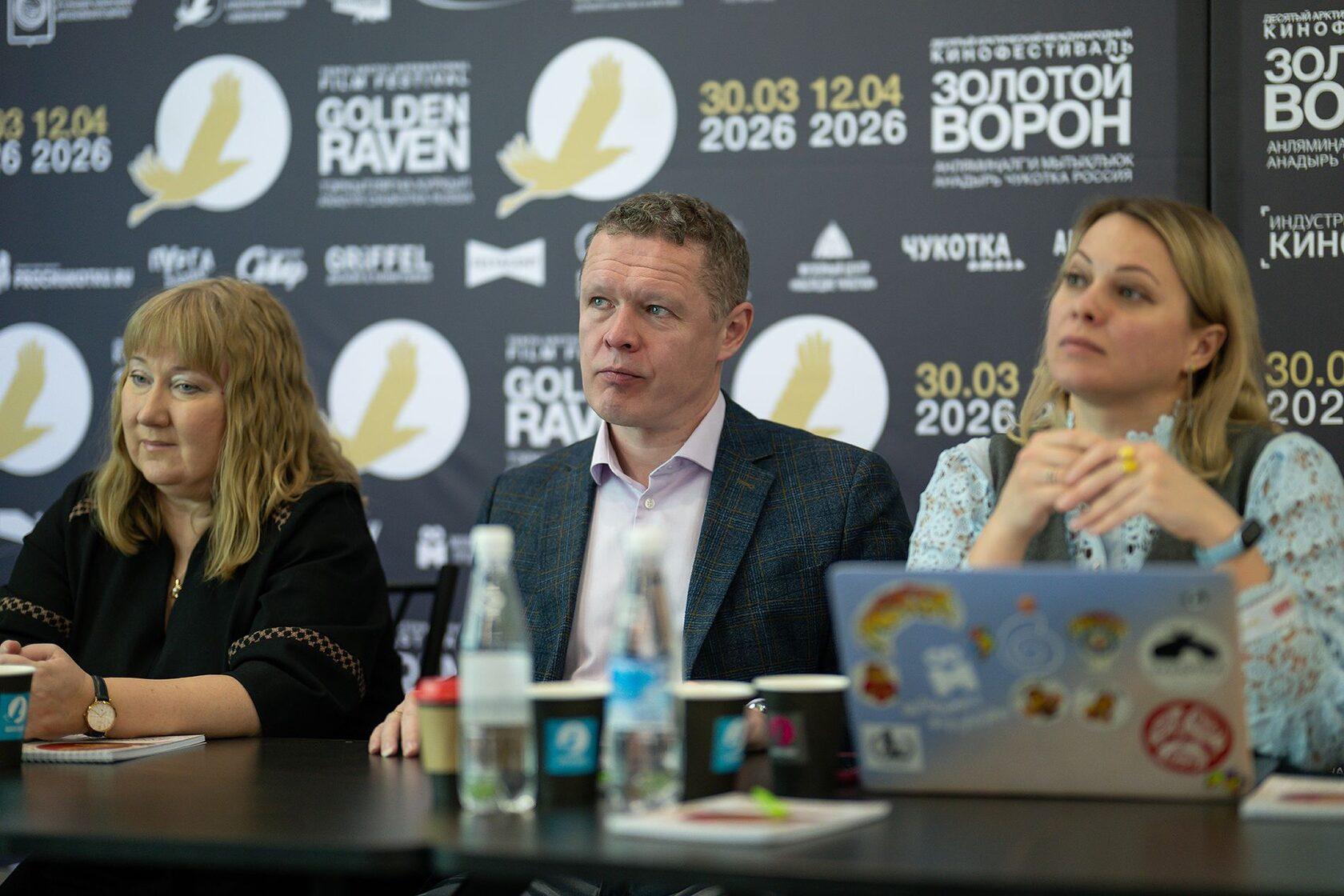 She also highlighted an important part of the festival: its work with children and young people. For the third time, a lab is running at the festival under the guidance of Soyuzmultfilm teachers, where children create animated shorts. They will be shown on the festival’s closing day. A documentary film lab and a screenwriting lab are also hard at work; the latter resulted in the short film “Atasikun. All Together”, which is also being screened at the 10th Golden Raven festival. Over the festival’s ten years, a whole generation of students now training for creative professions has grown up through taking part in the labs.
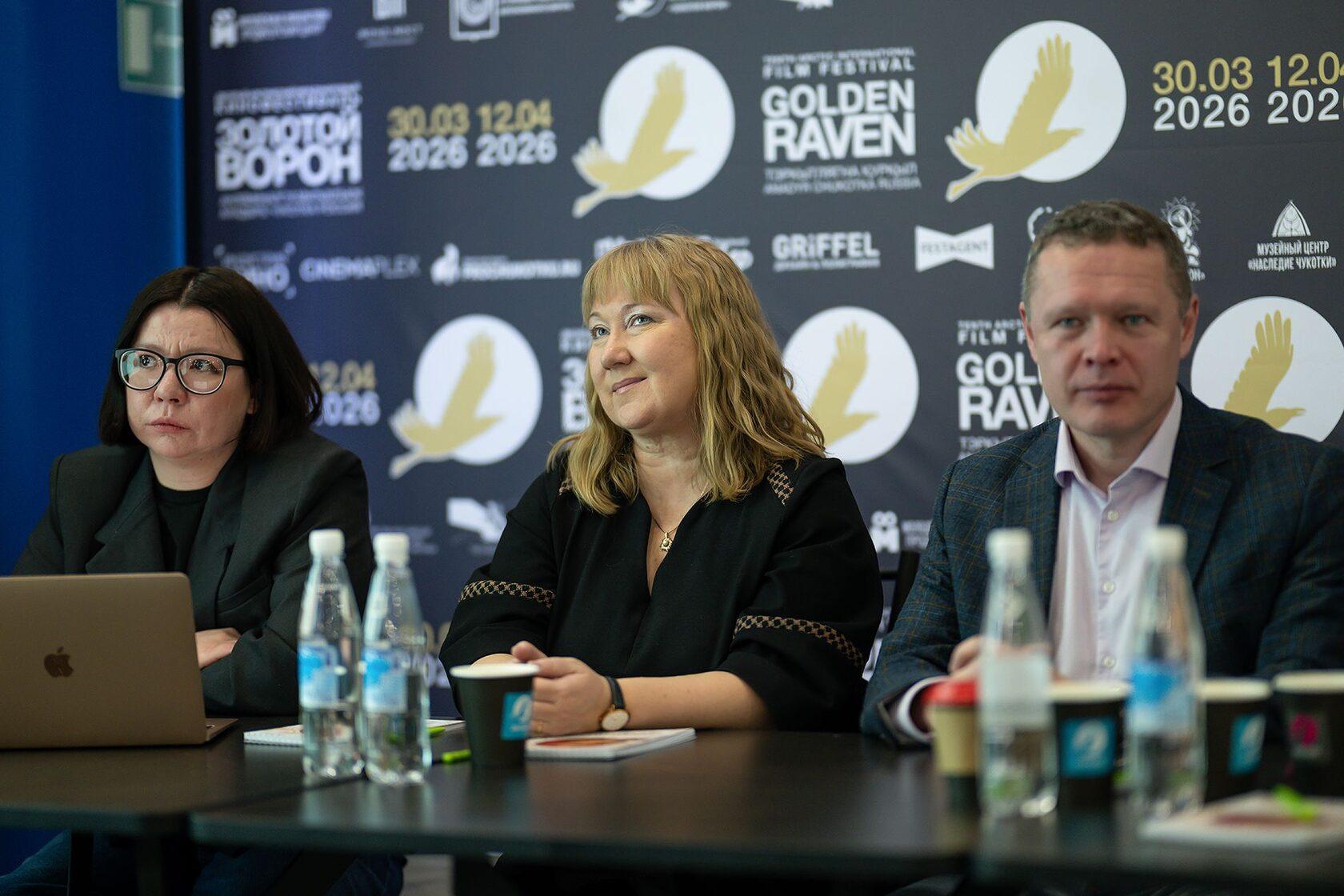 Chukotka, which has hosted the film festival for ten years, is keen to develop regional cinema and the creative industries. Through the dialogue organised at the Golden Raven festival, it hopes to learn from the experience of setting up film commissions in other regions of Russia and to explore opportunities for international cooperation. Ekaterina Kuznetsova, representative of the Department of Culture and Tourism of Chukotka Autonomous Okrug, spoke about this at the strategic session.
“First of all, I would like to talk about actively bringing a regional component into animation, since this would make it possible to create ethnographic stories that introduce a wide audience to the unique culture of our region, and to create recognisable characters with the potential to become Chukotka’s calling card. We are certainly interested in educational projects that involve developing not only animated series but also short informational videos about the traditions, nature and culture of our territory. We understand that the festival itself is part of event tourism, so we would like to develop this area too – for example, by making documentaries about Chukotka’s most popular locations. At the festival itself, we would like to see more pitching sessions and panel discussions where pressing topics can be discussed: rebates and film commissions, locations, logistics, infrastructure and personnel,” said Ekaterina Kuznetsova, representative of the Department of Culture and Tourism of Chukotka Autonomous Okrug. Irina Belova, General Director of the Krasnoyarsk cultural institution Yenisei Kino, shared her successful experience of running a film commission and a rebate system. She said that Krasnoyarsk Krai has had a documentary film grant since 2014, which currently stands at 10 million rubles a year. Moreover, the region not only has an active film commission but also pays rebates: 50 million rubles is set aside in the regional budget for such reimbursements to film crews. Meanwhile, in 2025 film shoots brought the region 186 million rubles. Several popular series have been shot in Krasnoyarsk Krai in recent years, and one of the most recent projects is the film “Jolly U”, which has yet to be released.
 In Crimea, according to Elena Kutsenko of the local film commission, rebates are far more modest – up to 10 million rubles. However, the commission is actively involved in helping to organise film shoots. One of the recent films shot in the republic was Sergey Chliyants’s “The Wind”, which won the Nika Award for Best Film of 2025. Yet what Kutsenko considers important for all regions is not only helping film crews from the capital to organise their shoots but also the chance to revive the regions’ own film production. Philipp Abryutin agreed, expressing the hope that the Golden Raven would become a catalyst for bringing local creative forces together to make their own animated, fiction and documentary films.
 Opportunities for international cooperation were outlined by Chinese filmmaker Qiao Liang, a member of the jury of the feature-length fiction and documentary competition.
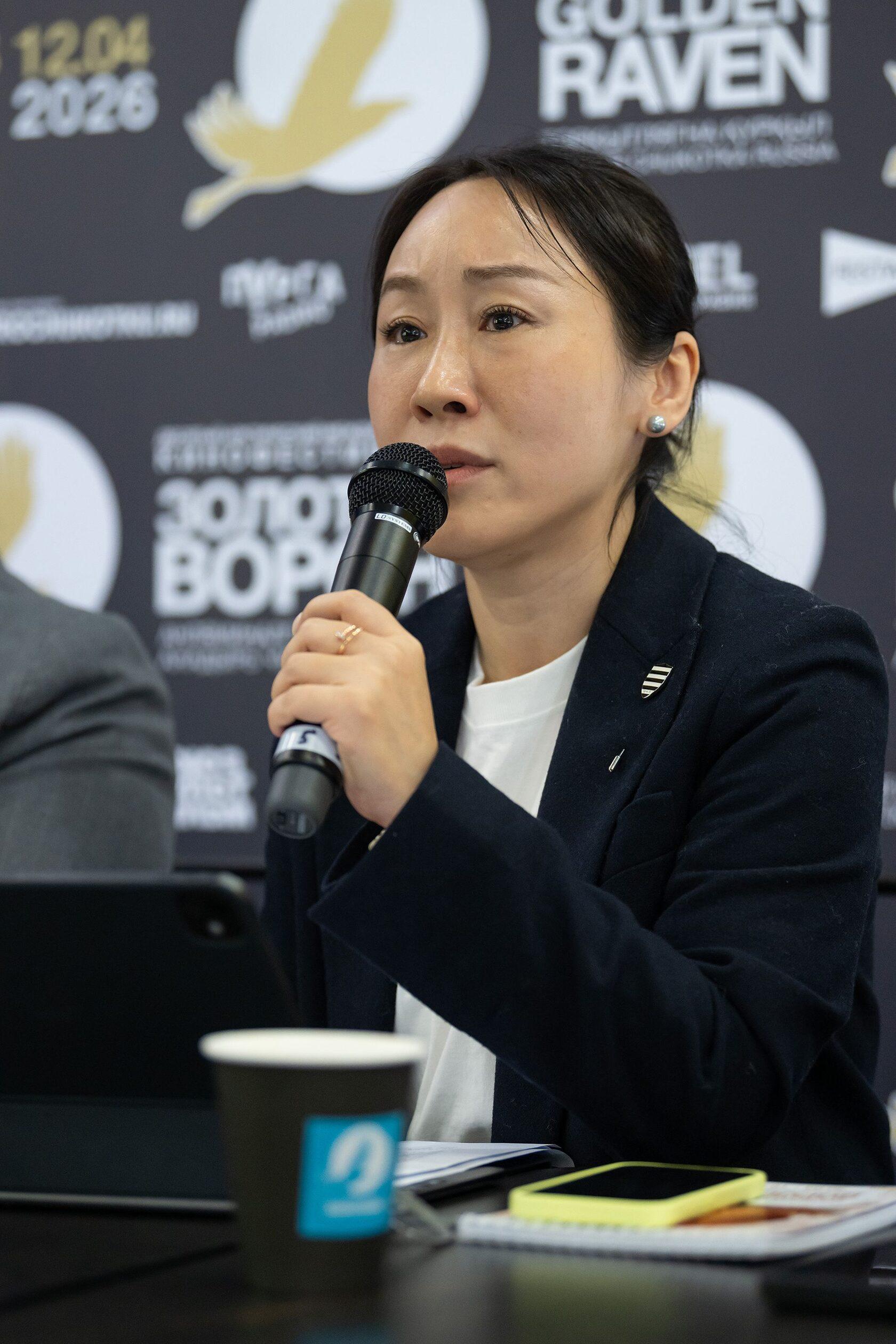
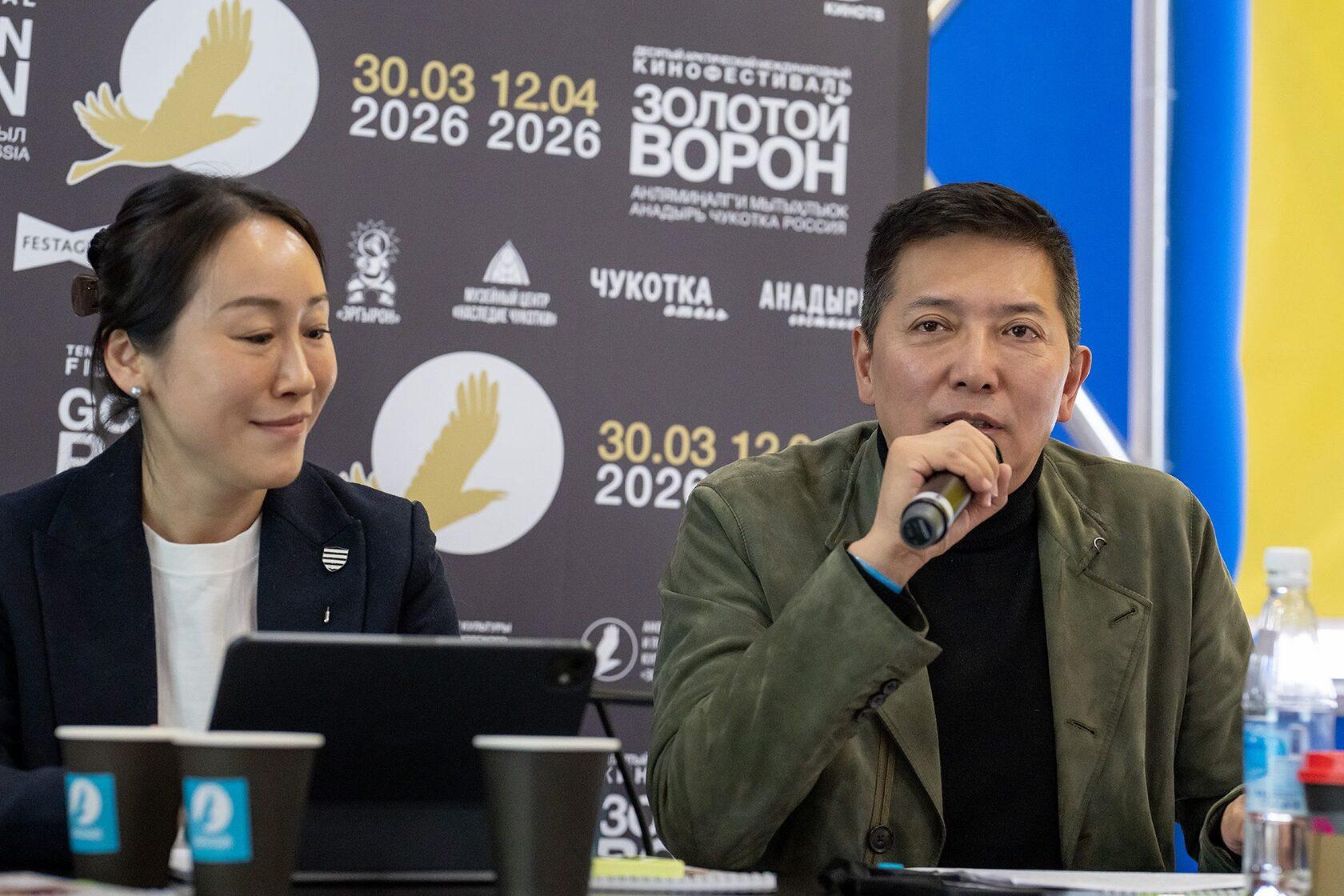
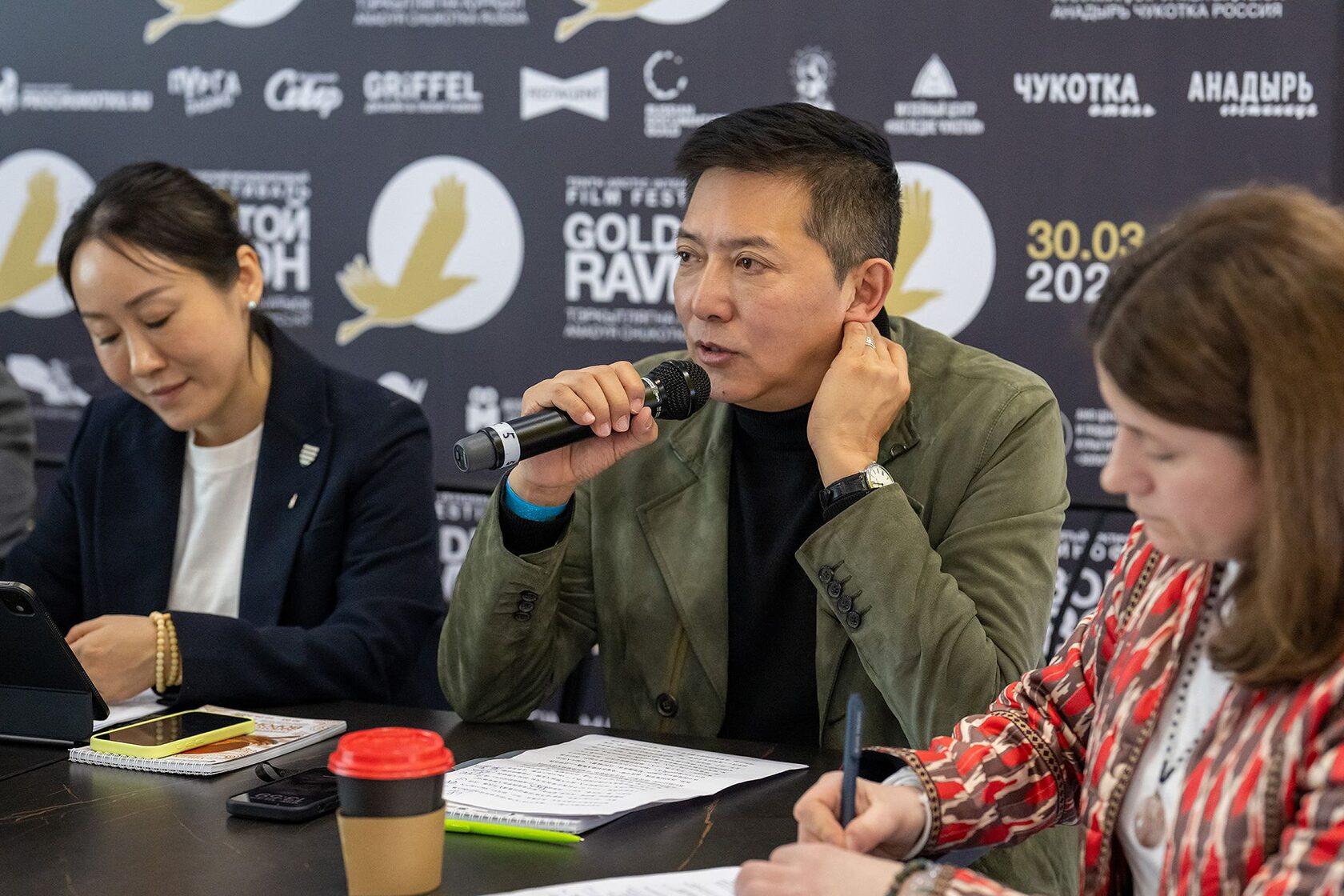
“Chinese directors are constantly looking for every possible way to surprise audiences. We have shot films in deserts, snowy mountains and tropical forests, but never beyond the Arctic Circle. Boundless landscapes like those of Chukotka simply cannot be found in China! For a director, that is called finding a location; for a producer, it is an irreplaceable trump card that can be played to great advantage. Allow me a joke: when Hollywood shoots the Arctic, it is like sitting in a down jacket on a soundstage in front of a wind machine. Here in Chukotka you have the real Arctic and real life, and audiences can always tell true reality from an imitation of it,” said Qiao Liang. He proposed three specific forms of cooperation. The first is for the Chinese team to take charge of financing, distribution and the creative team, while Chukotka provides the locations and advisory support. The second is a “polar reportage” format – that is, making documentaries about the life of the indigenous peoples of the Arctic. Educational films of this kind, of any length from short videos to series, could well appeal to Chinese audiences. And the third, more complex model is to draw on local legends and ways of life to create fiction films in various genres, including fantasy.
“In the eyes of Chinese producers, cold weather is not a problem but an advantage, and remoteness is not a drawback but an untapped treasure trove of stories. I look forward to the moment – in the near future, I hope – when, out in the icy expanses of Chukotka, crew members from Russia and China, bundled up in identical winter gear, shout at a freezing monitor: ‘Cut! We’ve got it!’” concluded Qiao Liang.
Gülten Taranç, the Turkish participant in the feature-length fiction and documentary competition, also believes in cooperation between filmmakers from different countries. In Izmir she founded and now heads a festival of women filmmakers, which runs a screenwriting school. Taranç believes this experience could be expanded internationally.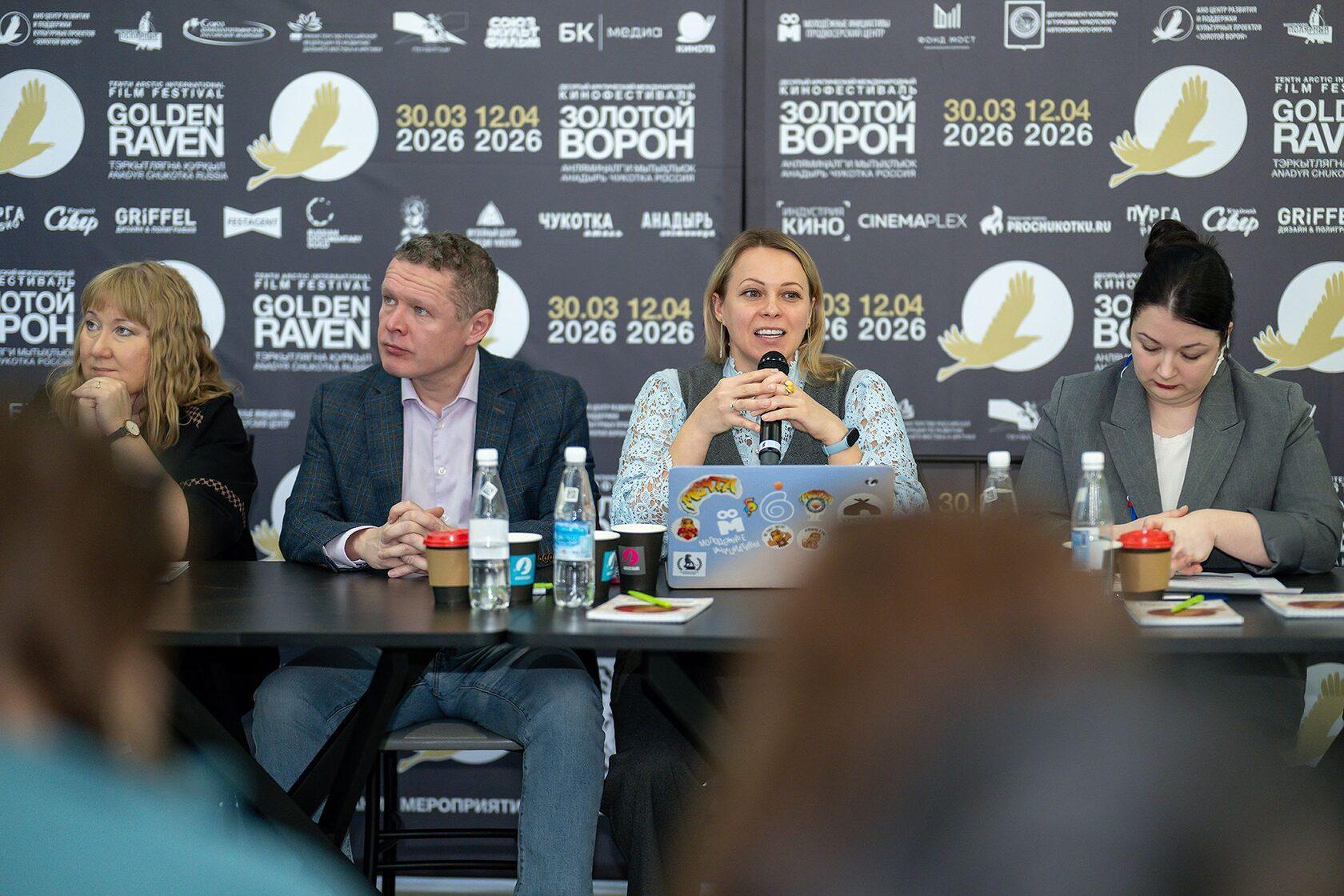 “Of course, it is much easier to run a festival in Izmir, because we have no cold and no snow. But I am very glad to be in Chukotka because, despite the cold weather, the people here are warm. As a child I heard about Eskimos, but I had never heard the name Chukotka – I only learned of it thanks to the Golden Raven festival. I would be glad if our festivals could become friends and we could expand our screenwriting school to an international level,” stressed Gülten Taranç.
Opportunities for international cooperation have expanded considerably in recent years thanks to artificial intelligence, which is becoming both a challenge and a tool that shortens project pre-production and helps to gauge distribution potential – so believes Liang Jiashan, producer and brand director of China’s AI Film Institute.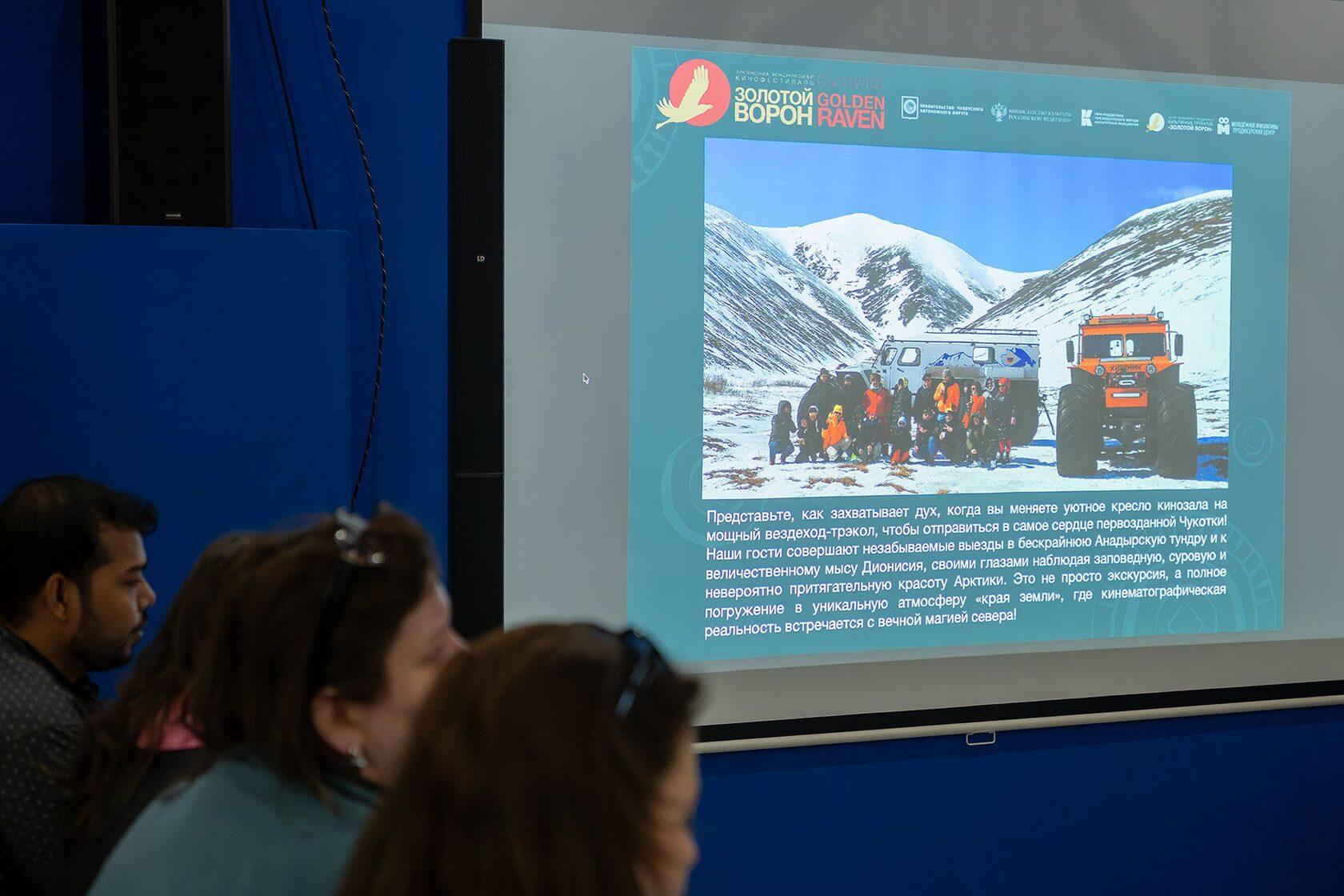 “Artificial intelligence cannot replace talented people; rather, it acts as a lever that unlocks creative potential. It helps to turn a resource-intensive industry into a more flexible production process – for example, in concept design, storyboard previsualisation, visual effects and sound design. Incidentally, the music video introducing the competition films that was shown at the opening of the Golden Raven festival was, as I have learned, made with artificial intelligence, and it looked great,” stressed Liang Jiashan.
She added that AI makes voice-over, subtitling and dubbing easier – both for projects intended for distribution in different countries and for pitching projects on the international stage. AI also helps to analyse a script and draw up a marketing plan for promoting a future project, which in turn is an important part of a producer’s assessment and of investment analysis. Liang Jiashan also sees potential in using AI to restore and rework Soviet classics and – no small matter for Chukotka – to create landscape backdrops that could be offered to makers of films, videos and video games around the world. In addition, Liang Jiashan proposed setting up a Russian–Chinese educational project in Chukotka devoted to exploring the possibilities of artificial intelligence.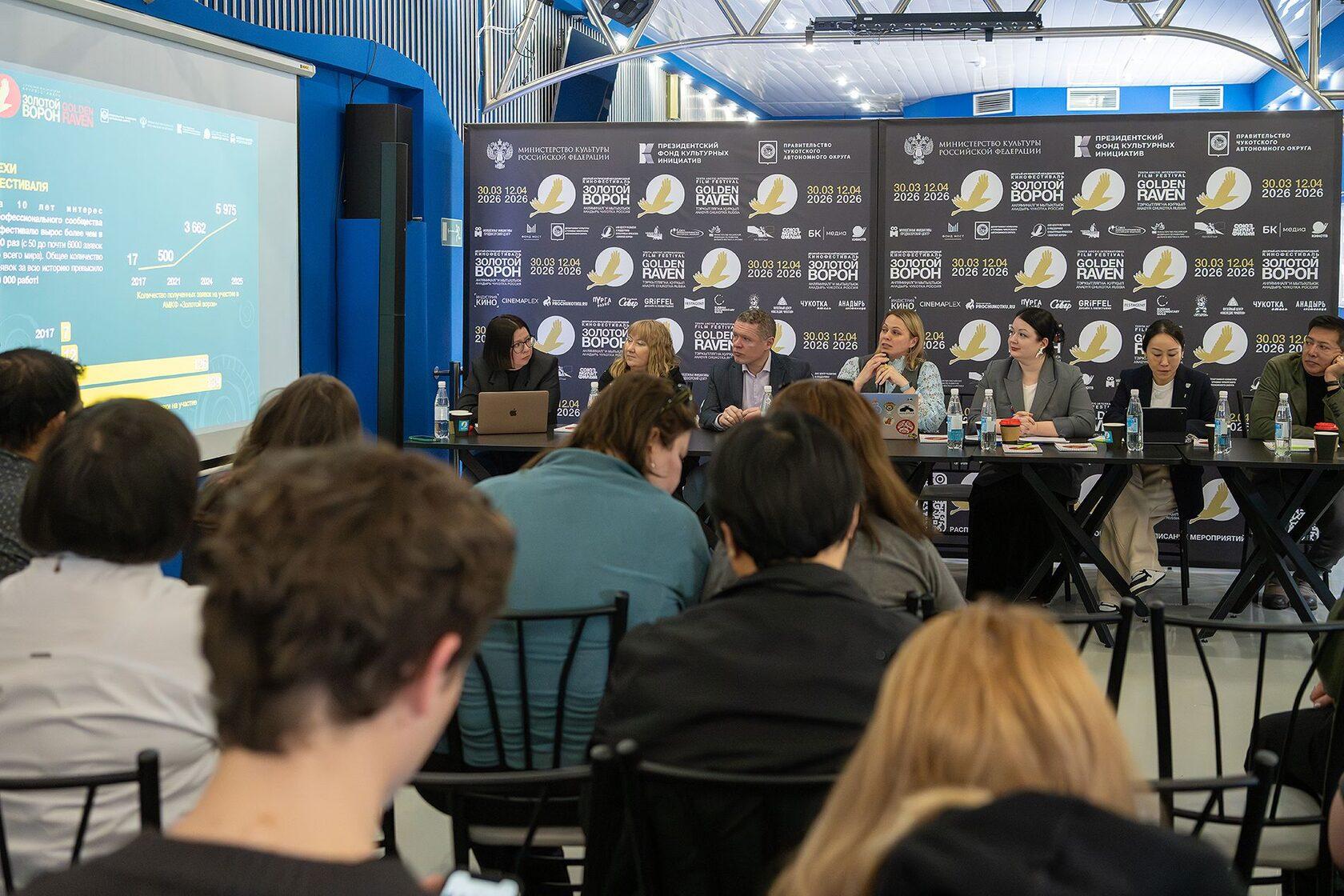 Liang Jiashan also spoke about the prospects for international cooperation during her masterclass. Another speaker at the International Film Lab was Belarusian producer Vladimir Karachevsky, Head of the Programme Directorate of the Listapad festival and General Director of Kinovideoprokat, who talked about the development of theatrical distribution, the prospects for co-production in the CIS countries and the specifics of communication between regions.
The masterclass and the strategic-session remarks of Roman Isaev, representative of the Association of Cinema Owners, also shared a common theme: he spoke about the problems of theatrical distribution and the opportunities it offers today for distinctive films made by talents from the regions. “The problems in the industry right now are colossal: the audience exodus began in the Covid year, and since then a huge number of people have moved to streaming platforms and never come back, because many viewers have nothing to watch. I am talking about mainstream commercial distribution, not about festivals, which have a destiny of their own – and we have many worthy, vibrant, powerful festivals in this country that provide their audiences with content. But Hollywood has left us, and it cannot be replaced; and there is a genre famine, because everyone has rushed to make fairy tales, of which we already have a glut. That is why ‘The Housemaid’ and ‘Now You See Me’, for all their ordinariness, gross 1.5–2 billion rubles,” said Isaev.
He stressed that Russian audiences are “starved” of “mid-range cinema” – detective stories and thrillers, for example – and pointed to Yakut films, which consistently attract local audiences and sometimes do better at the box office than festival films from the capital, family films or animation. The film “Karina”, for instance, grossed more than 50 million rubles. “Given the locations and opportunities Chukotka has, I am sure this region, too, has something to show in nationwide release; however, it cannot be done without administrative support, because the logistics are, after all, far from simple. But I am confident that Chukotka has a future in terms of production,” stressed Roman Isaev.
The Golden Raven Arctic International Film Festival is organised by the Golden Raven Center for the Development and Support of Cultural Projects and the Youth Initiatives Production Center, with the support of the Ministry of Culture of the Russian Federation, the Governor of Chukotka Autonomous Okrug Vladislav Garievich Kuznetsov, the Presidential Fund for Cultural Initiatives, the Government of Chukotka Autonomous Okrug, the Department of Culture and Tourism of Chukotka Autonomous Okrug, the Okrkinovideoprokat Autonomous Institution of Chukotka Autonomous Okrug (Polyarny Cinema) and the Union of Cinematographers of Russia.
The anniversary 10th Golden Raven Arctic International Film Festival, which is taking place in Anadyr from March 30 to April 5, is summing up the results of its industry programme. Over these days the capital of Chukotka has become a platform for professional dialogue on the future of the film industry in the Russian Far East, the development of regional film production, international cooperation, distribution, the work of film commissions, educational projects and the use of new technologies. Dozens of experts and professionals from Russia and abroad came to Anadyr and shared their experience at the masterclasses, the International Film Lab and the strategic session of the anniversary festival.
The strategic session “Cultural Dialogue in the Arctic: Cinema as a Driver of Creative Industries and International Cooperation” brought together Philipp Abryutin, artistic director of the Golden Raven festival; Oksana Lakhno, lead producer of the Golden Raven festival; Ekaterina Kuznetsova, representative of the Department of Culture and Tourism of Chukotka Autonomous Okrug; Irina Belova, General Director of the Krasnoyarsk cultural institution Yenisei Kino and member of the jury of the Kinovzlet! (“Film Takeoff!”) competition; Elena Kutsenko, film scholar, representative of the Crimean Film Commission and member of the Kinovzlet! jury; Roman Isaev, representative of the Association of Cinema Owners; Liang Jiashan, producer, brand director of the AI Film Institute (China) and member of the jury of the Golden Raven short film competition; Qiao Liang, Chinese director, producer and screenwriter and member of the jury of the feature-length competition; and Gülten Taranç, a Turkish filmmaker taking part in the feature-length fiction and documentary competition. The session was moderated by Maria Tokmasheva, editor-in-chief of the Russian portal Kino-Teatr.Ru.
“Whenever the Golden Raven’s industry platform is at work, we want not only to talk about the festival’s own path and prospects but also to listen to the guests who come to us, because we believe they can share their experience with us – of developing the industry, of individual film commissions across the country, and of the potential for international cooperation. We are only beginning to make sense of the journey of the Golden Raven, which in ten years has grown from a small film event into a festival that many people find interesting and important. It is flexible, cosy and, in a sense, warm and intimate. It is about cinema, about audiences, about dialogue,” said Philipp Abryutin, artistic director of the Golden Raven festival.Oksana Lakhno, lead producer of the Golden Raven, went on to describe what makes the festival distinctive. In 2016 it started out with the Kinovzlet! programme alone; just a year later the first Chukotka film festival, the Golden Raven, was founded, showing films from all over the country; and in 2018 it gained international status. This year the traditional fiction and documentary competition programmes were joined for the first time by a feature-length animation section.“Our film festival actually works all year round. It is not just the competition screenings taking place these days at Polyarny Cinema. Next week the cultural programme continues for audiences in Chukotka, who will be able to attend plays, concerts and film screenings. We run the big Golden Raven Film Marathon, which lasts six months and includes screenings all across the Russian Federation. What is more, this year we have gone international – we are showing Golden Raven films in Kyrgyzstan, Kazakhstan and Belarus, and Türkiye, Serbia and Argentina are in our plans. We are open to any kind of cooperation. By our count, we already have 79,000 offline viewers, and we are actively developing our online presence. For example, last year’s industry programme was watched online by 2 million viewers,” stressed Oksana Lakhno, lead producer of the Golden Raven festival.
She also highlighted an important part of the festival: its work with children and young people. For the third time, a lab is running at the festival under the guidance of Soyuzmultfilm teachers, where children create animated shorts. They will be shown on the festival’s closing day. A documentary film lab and a screenwriting lab are also hard at work; the latter resulted in the short film “Atasikun. All Together”, which is also being screened at the 10th Golden Raven festival. Over the festival’s ten years, a whole generation of students now training for creative professions has grown up through taking part in the labs.Chukotka, which has hosted the film festival for ten years, is keen to develop regional cinema and the creative industries. Through the dialogue organised at the Golden Raven festival, it hopes to learn from the experience of setting up film commissions in other regions of Russia and to explore opportunities for international cooperation. Ekaterina Kuznetsova, representative of the Department of Culture and Tourism of Chukotka Autonomous Okrug, spoke about this at the strategic session.“First of all, I would like to talk about actively bringing a regional component into animation, since this would make it possible to create ethnographic stories that introduce a wide audience to the unique culture of our region, and to create recognisable characters with the potential to become Chukotka’s calling card. We are certainly interested in educational projects that involve developing not only animated series but also short informational videos about the traditions, nature and culture of our territory. We understand that the festival itself is part of event tourism, so we would like to develop this area too – for example, by making documentaries about Chukotka’s most popular locations. At the festival itself, we would like to see more pitching sessions and panel discussions where pressing topics can be discussed: rebates and film commissions, locations, logistics, infrastructure and personnel,” said Ekaterina Kuznetsova, representative of the Department of Culture and Tourism of Chukotka Autonomous Okrug.
Irina Belova, General Director of the Krasnoyarsk cultural institution Yenisei Kino, shared her successful experience of running a film commission and a rebate system. She said that Krasnoyarsk Krai has had a documentary film grant since 2014, which currently stands at 10 million rubles a year. Moreover, the region not only has an active film commission but also pays rebates: 50 million rubles is set aside in the regional budget for such reimbursements to film crews. Meanwhile, in 2025 film shoots brought the region 186 million rubles. Several popular series have been shot in Krasnoyarsk Krai in recent years, and one of the most recent projects is the film “Jolly U”, which has yet to be released.In Crimea, according to Elena Kutsenko of the local film commission, rebates are far more modest – up to 10 million rubles. However, the commission is actively involved in helping to organise film shoots. One of the recent films shot in the republic was Sergey Chliyants’s “The Wind”, which won the Nika Award for Best Film of 2025. Yet what Kutsenko considers important for all regions is not only helping film crews from the capital to organise their shoots but also the chance to revive the regions’ own film production. Philipp Abryutin agreed, expressing the hope that the Golden Raven would become a catalyst for bringing local creative forces together to make their own animated, fiction and documentary films.Opportunities for international cooperation were outlined by Chinese filmmaker Qiao Liang, a member of the jury of the feature-length fiction and documentary competition.“Chinese directors are constantly looking for every possible way to surprise audiences. We have shot films in deserts, snowy mountains and tropical forests, but never beyond the Arctic Circle. Boundless landscapes like those of Chukotka simply cannot be found in China! For a director, that is called finding a location; for a producer, it is an irreplaceable trump card that can be played to great advantage. Allow me a joke: when Hollywood shoots the Arctic, it is like sitting in a down jacket on a soundstage in front of a wind machine. Here in Chukotka you have the real Arctic and real life, and audiences can always tell true reality from an imitation of it,” said Qiao Liang.
He proposed three specific forms of cooperation. The first is for the Chinese team to take charge of financing, distribution and the creative team, while Chukotka provides the locations and advisory support. The second is a “polar reportage” format – that is, making documentaries about the life of the indigenous peoples of the Arctic. Educational films of this kind, of any length from short videos to series, could well appeal to Chinese audiences. And the third, more complex model is to draw on local legends and ways of life to create fiction films in various genres, including fantasy.“In the eyes of Chinese producers, cold weather is not a problem but an advantage, and remoteness is not a drawback but an untapped treasure trove of stories. I look forward to the moment – in the near future, I hope – when, out in the icy expanses of Chukotka, crew members from Russia and China, bundled up in identical winter gear, shout at a freezing monitor: ‘Cut! We’ve got it!’” concluded Qiao Liang.
Gülten Taranç, the Turkish participant in the feature-length fiction and documentary competition, also believes in cooperation between filmmakers from different countries. In Izmir she founded and now heads a festival of women filmmakers, which runs a screenwriting school. Taranç believes this experience could be expanded internationally.
“Of course, it is much easier to run a festival in Izmir, because we have no cold and no snow. But I am very glad to be in Chukotka because, despite the cold weather, the people here are warm. As a child I heard about Eskimos, but I had never heard the name Chukotka – I only learned of it thanks to the Golden Raven festival. I would be glad if our festivals could become friends and we could expand our screenwriting school to an international level,” stressed Gülten Taranç.Opportunities for international cooperation have expanded considerably in recent years thanks to artificial intelligence, which is becoming both a challenge and a tool that shortens project pre-production and helps to gauge distribution potential – so believes Liang Jiashan, producer and brand director of China’s AI Film Institute.
“Artificial intelligence cannot replace talented people; rather, it acts as a lever that unlocks creative potential. It helps to turn a resource-intensive industry into a more flexible production process – for example, in concept design, storyboard previsualisation, visual effects and sound design. Incidentally, the music video introducing the competition films that was shown at the opening of the Golden Raven festival was, as I have learned, made with artificial intelligence, and it looked great,” stressed Liang Jiashan.She added that AI makes voice-over, subtitling and dubbing easier – both for projects intended for distribution in different countries and for pitching projects on the international stage. AI also helps to analyse a script and draw up a marketing plan for promoting a future project, which in turn is an important part of a producer’s assessment and of investment analysis. Liang Jiashan also sees potential in using AI to restore and rework Soviet classics and – no small matter for Chukotka – to create landscape backdrops that could be offered to makers of films, videos and video games around the world. In addition, Liang Jiashan proposed setting up a Russian–Chinese educational project in Chukotka devoted to exploring the possibilities of artificial intelligence.
Liang Jiashan also spoke about the prospects for international cooperation during her masterclass. Another speaker at the International Film Lab was Belarusian producer Vladimir Karachevsky, Head of the Programme Directorate of the Listapad festival and General Director of Kinovideoprokat, who talked about the development of theatrical distribution, the prospects for co-production in the CIS countries and the specifics of communication between regions.The masterclass and the strategic-session remarks of Roman Isaev, representative of the Association of Cinema Owners, also shared a common theme: he spoke about the problems of theatrical distribution and the opportunities it offers today for distinctive films made by talents from the regions.
“The problems in the industry right now are colossal: the audience exodus began in the Covid year, and since then a huge number of people have moved to streaming platforms and never come back, because many viewers have nothing to watch. I am talking about mainstream commercial distribution, not about festivals, which have a destiny of their own – and we have many worthy, vibrant, powerful festivals in this country that provide their audiences with content. But Hollywood has left us, and it cannot be replaced; and there is a genre famine, because everyone has rushed to make fairy tales, of which we already have a glut. That is why ‘The Housemaid’ and ‘Now You See Me’, for all their ordinariness, gross 1.5–2 billion rubles,” said Isaev.He stressed that Russian audiences are “starved” of “mid-range cinema” – detective stories and thrillers, for example – and pointed to Yakut films, which consistently attract local audiences and sometimes do better at the box office than festival films from the capital, family films or animation. The film “Karina”, for instance, grossed more than 50 million rubles.
“Given the locations and opportunities Chukotka has, I am sure this region, too, has something to show in nationwide release; however, it cannot be done without administrative support, because the logistics are, after all, far from simple. But I am confident that Chukotka has a future in terms of production,” stressed Roman Isaev.The Golden Raven Arctic International Film Festival is organised by the Golden Raven Center for the Development and Support of Cultural Projects and the Youth Initiatives Production Center, with the support of the Ministry of Culture of the Russian Federation, the Governor of Chukotka Autonomous Okrug Vladislav Garievich Kuznetsov, the Presidential Fund for Cultural Initiatives, the Government of Chukotka Autonomous Okrug, the Department of Culture and Tourism of Chukotka Autonomous Okrug, the Okrkinovideoprokat Autonomous Institution of Chukotka Autonomous Okrug (Polyarny Cinema) and the Union of Cinematographers of Russia.
Photos